Digital Lifecycle Intelligence Platform
Good engineering doesn't end after manufacturing. Visualize how every design decision impacts a product from concept to end-of-life with our Product LCA Consulting Services & Recyclability Benchmarking Engineering.
Every Design Decision
Creates a Ripple
A single change in material or geometry cascades through manufacturing cost, use-phase maintenance, and end-of-life recovery.
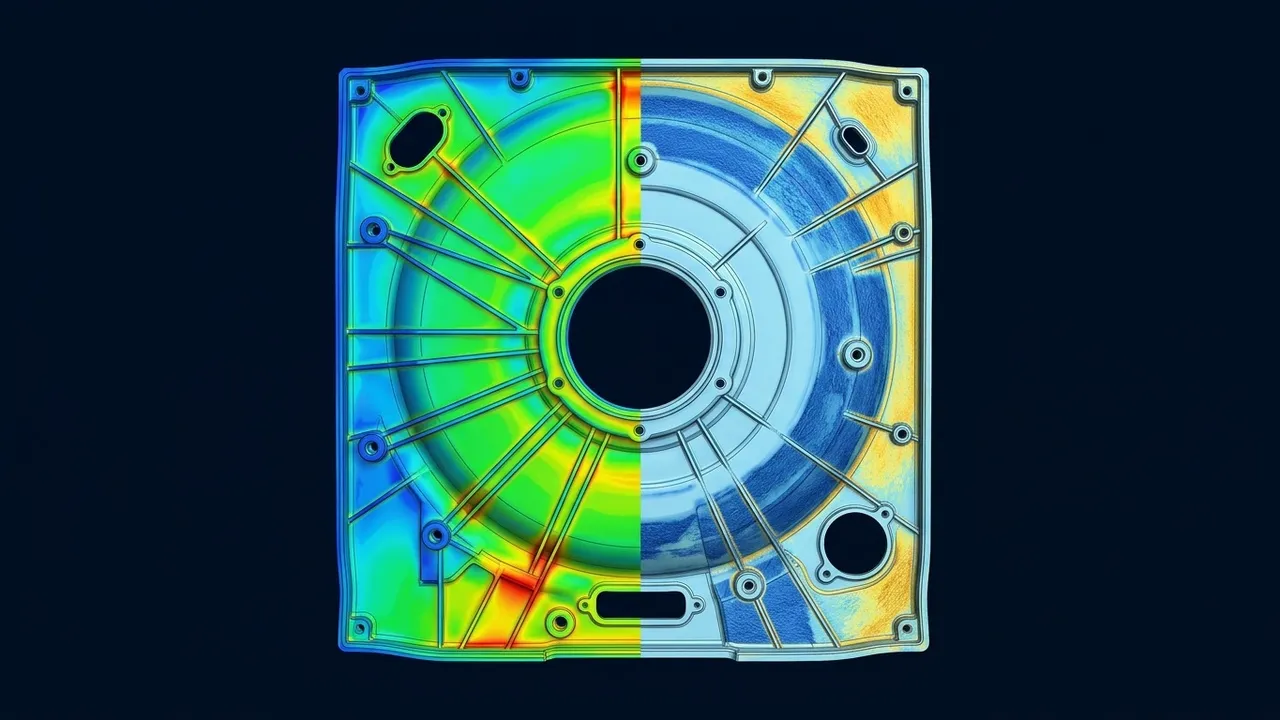
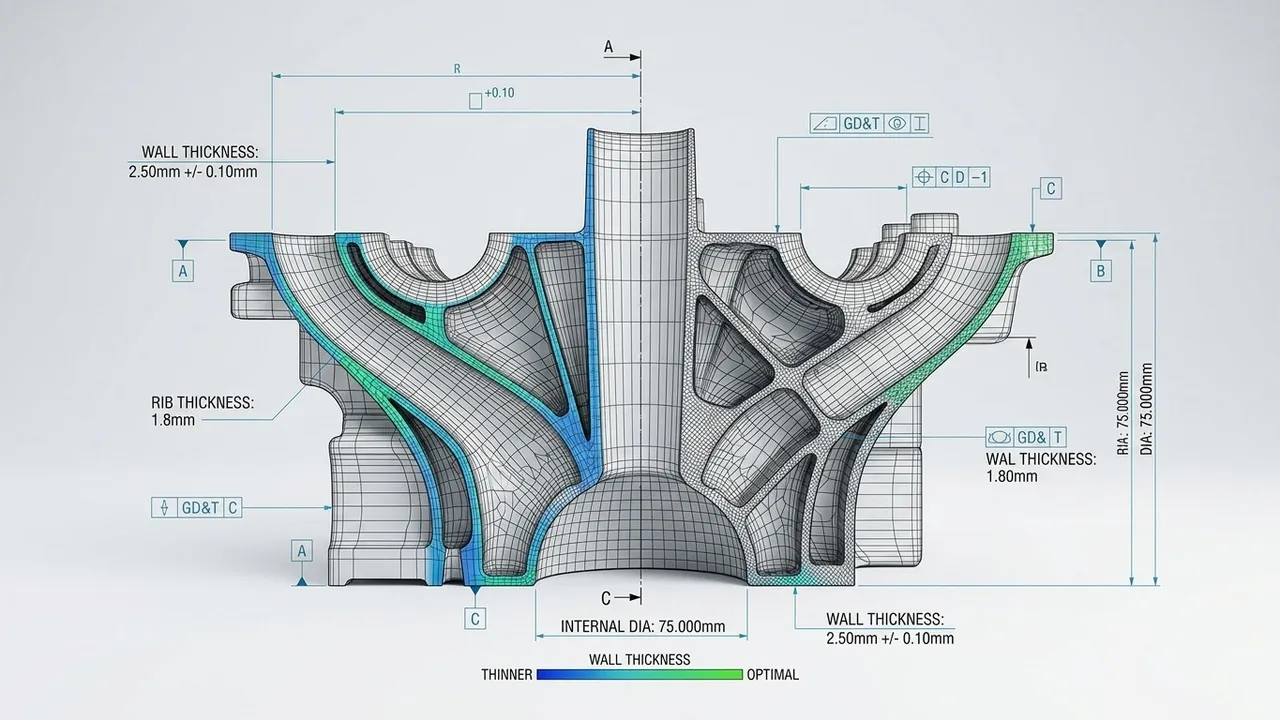
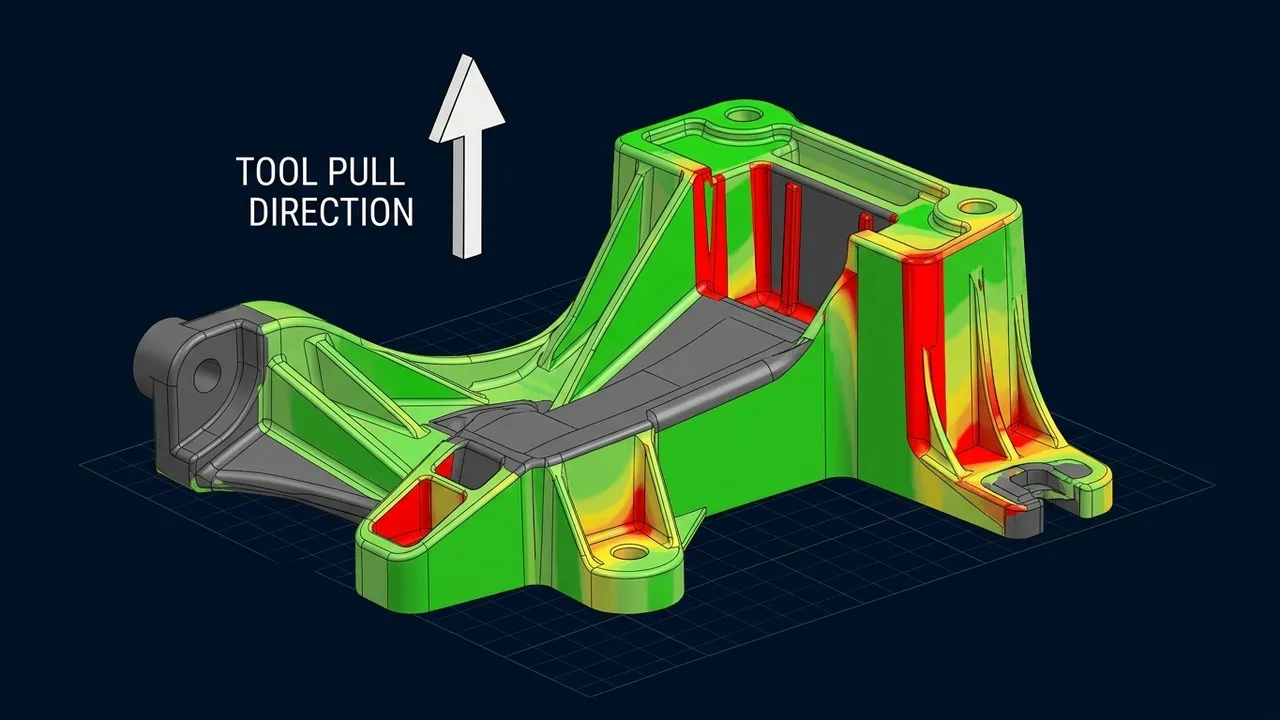
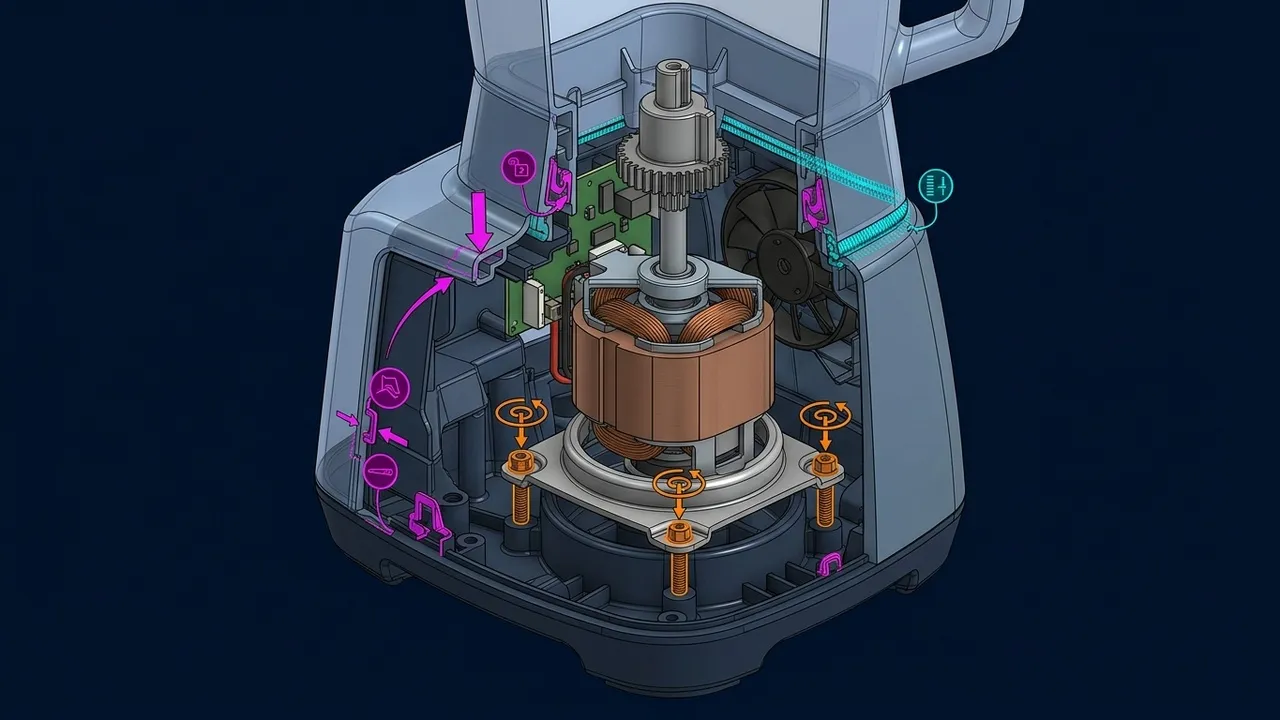
Lifecycle Intelligence
Journey
Scroll to follow the continuous engineering workflow.
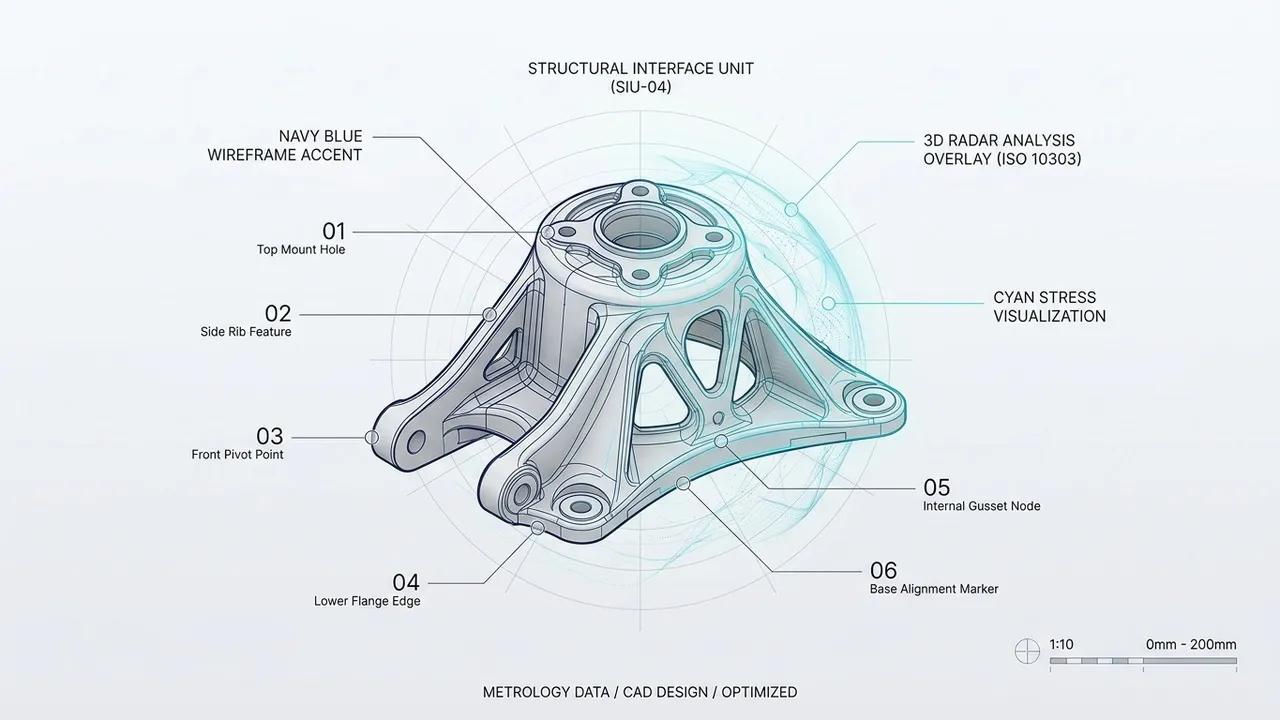
Conceptual Design
Early stage material selection, topology optimization, and feature mapping determining 80% of eventual lifecycle cost.
Supply Chain & Materials
Analyzing raw material extraction footprint, logistics routing, and component sourcing resilience.
Manufacturing & Assembly
Machining cycle times, injection molding energy consumption, and assembly line labor efficiency (DFMA).
Use-Phase Maintenance
Tracking power consumption during active operation, repairability indices, and mean time between failures (MTBF).
End-of-Life Recovery
Disassembly sequencing, shredding feasibility, and calculating precise material recovery values.
Lifecycle Impact
Command Matrix
Interact with the grid below to view specific engineering insights at the intersection of design variables and lifecycle phases.
| Variable | Manufacturing | Use Phase | Maintenance | End-of-Life |
|---|---|---|---|---|
| Material | Tooling Cost & Supply | Weight & Durability | Corrosion Resistance | Recovery Value / Yield |
| Assembly Method | Cycle Time / DFA | Structural Integrity | Service Access Time | Disassembly Sequence |
| Fasteners | Part Count & Logistics | Vibration Loosening | Standard Tool Access | Shredding Contamination |
Circular Design
Explorer
Interact with the modules to pinpoint specific end-of-life recovery strategies.
Design Optimisation
Simulator
Adjust the engineering parameters below to simulate trade-offs across cost, carbon, and recyclability.
Lifecycle Intelligence
Deliverables
Comprehensive engineering reports provided at the conclusion of every study, locked into a unified digital vault.
Lifecycle Assessment Report
Complete carbon footprint tracking, energy usage analysis, and supply chain emissions calculation mapped against ISO 14040 standards.
Material Recovery Matrix
Detailed breakdown of EOL recyclability percentages by weight and volume, identifying toxic separation requirements.
Disassembly Strategy Guide
Step-by-step sequence diagrams and tool requirements for non-destructive product tear downs.
What is Product Lifecycle Analysis & Recyclability Insights?
Product Lifecycle Analysis and Recyclability Insights is a Life Cycle Assessment (LCA) consulting practice that quantifies the environmental and material impact of design decisions from concept through end-of-life, including material selection, disassembly, and recyclability benchmarking.
When to Select This Service
Choose product lifecycle analysis when you need to evaluate the environmental footprint of a design before production, benchmark recyclability against regulatory or sustainability targets, or compare material and design alternatives for end-of-life impact.
Technical Capabilities & Verification Standards
Verified engineering parameters, hardware precision, and compliance benchmarks applied across all deliverables.
| Engineering Parameter | APJ 3D Capability & Precision Range | Compliance Standard / Verification |
|---|---|---|
| Lifecycle Assessment Report | Complete carbon footprint tracking, energy usage analysis, and supply chain emissions calculation | ISO 14040 Mapped Reporting |
| Material Recovery Matrix | Detailed breakdown of end-of-life recyclability percentages by weight and volume, identifying toxic separation requirements | EOL Recyclability Breakdown |
| Early-Stage Design Impact | Material selection, topology optimization, and feature mapping analyzed at the concept stage, where up to 80% of eventual lifecycle cost is determined | Design-Stage Lifecycle Cost Mapping |
| Design Trade-Off Simulation | Engineering parameters adjusted to simulate trade-offs across cost, carbon, and recyclability | Cost / Carbon / Recyclability Simulator |
| End-of-Life Recovery Strategy | Identifies fully recyclable alloy components and other end-of-life recovery pathways | Circular Recovery Strategy |
Frequently Asked Questions
Which 3D printing process is right for my application?
Which 3D printing process is right for my application?
How does 3D printing cost compare to injection moulding?
How does 3D printing cost compare to injection moulding?
What CAD file formats are accepted for 3D printing quotes?
What CAD file formats are accepted for 3D printing quotes?
What is the typical turnaround time for orders in India?
What is the typical turnaround time for orders in India?
Can 3D printed parts be tapped with threads or post-machined?
Can 3D printed parts be tapped with threads or post-machined?
Design Products That Perform
Beyond Their First Life.
Engineering tomorrow's products today with actionable Lifecycle Intelligence.