Automotive
Benchmarking & Teardown
Full-scale automotive benchmarking and vehicle teardown engineering partner. Uncover cost, weight, material, and manufacturing efficiencies through deep physical and digital intelligence.
What Is Automotive Benchmarking & How Does It Work?
Automotive benchmarking is the systematic comparison of a competitor vehicle, subsystem, or component against your own product to quantify exactly where you win or lose on cost, weight, material, and manufacturing method.
What It Is
A structured engineering study — physical teardown, 3D scanning, and CAD reconstruction of a competitor vehicle or subsystem — that turns an unknown design into measured, comparable data instead of assumption.
How It Works
A vehicle or component is disassembled and catalogued, laser-scanned to metrology-grade accuracy, and rebuilt as a parametric CAD digital twin. Material composition testing and Should-Cost analysis are layered on top to produce a full engineering and cost picture.
Why It Matters
Without verified data, engineering and sourcing teams work from guesses. Benchmarking replaces those guesses with empirical weight, cost, and material intelligence that directly drives Value Engineering (VAVE) decisions.
Automotive benchmarking sits alongside — and often draws on — more focused engineering services. A full competitor vehicle benchmarking programme covers an entire platform, while subsystem and component benchmarking narrows the scope to a single assembly. Where dynamic testing is required, performance and engineering benchmarking validates ride, handling, and system efficiency, and a competitor product teardown and analysis engagement applies the same methodology to non-vehicle products.
You Cannot Improve What You Have Not Measured Against
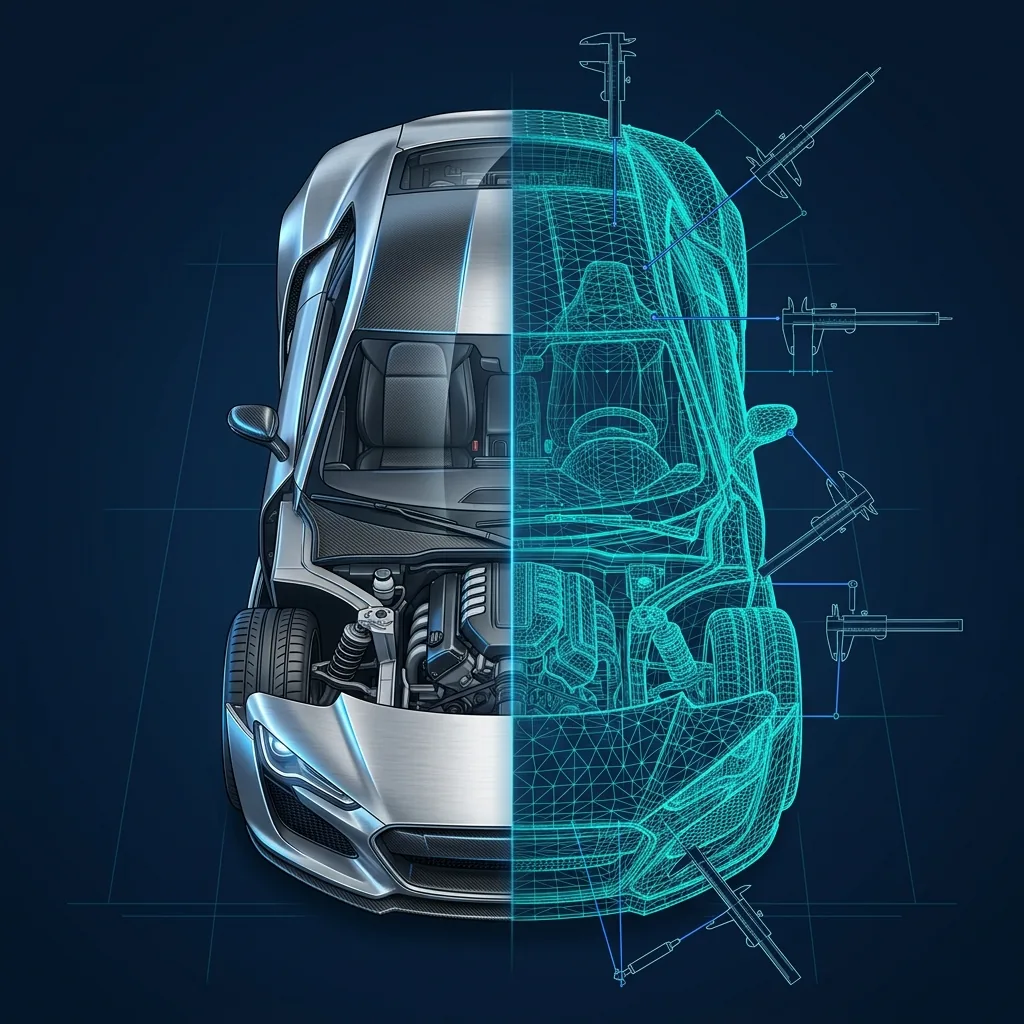
01. Physical Component Teardown
Complete vehicle disassembly down to individual parts, cataloging weight, material, and fasteners.
What APJ 3D's Benchmarking Service Covers

Full Vehicle Teardown
Systematic disassembly down to the last nut and bolt.
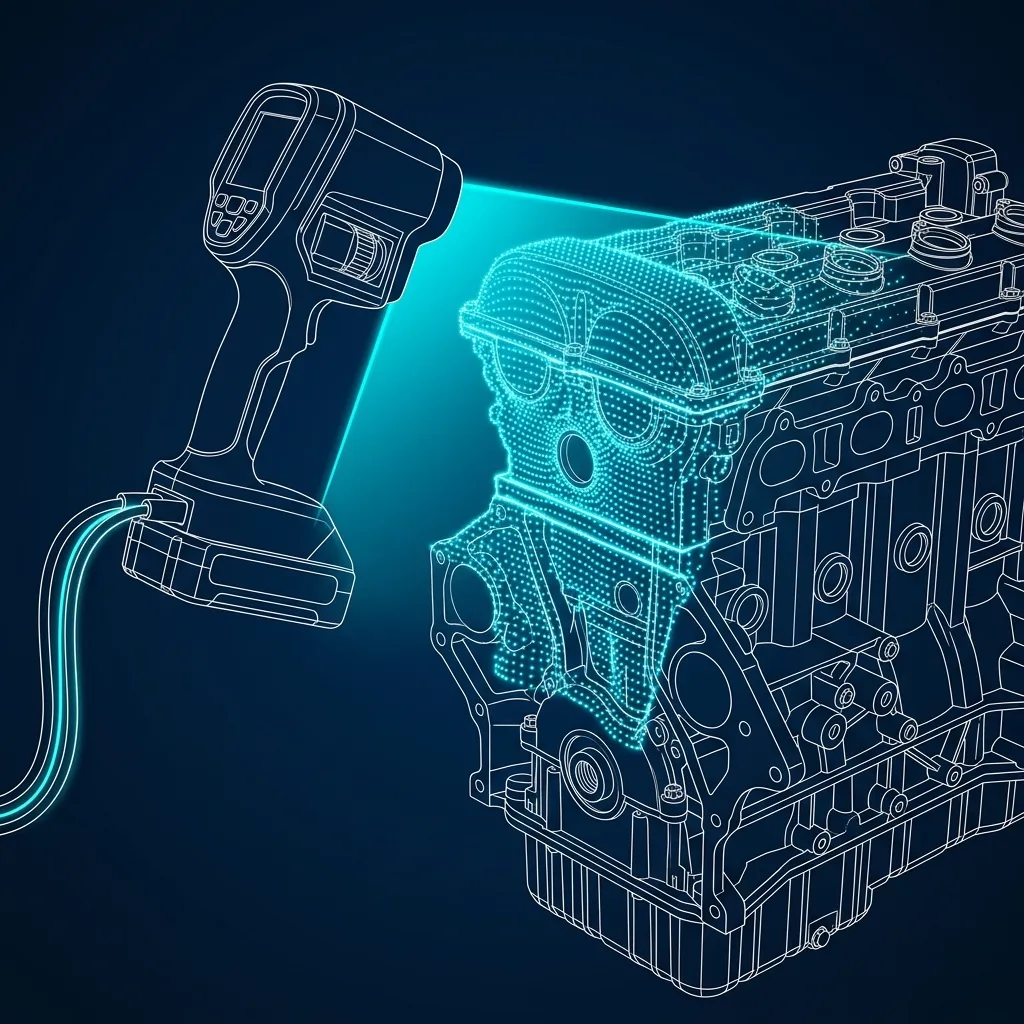
Scan to CAD
High-accuracy 3D scanning and parametric modelling.
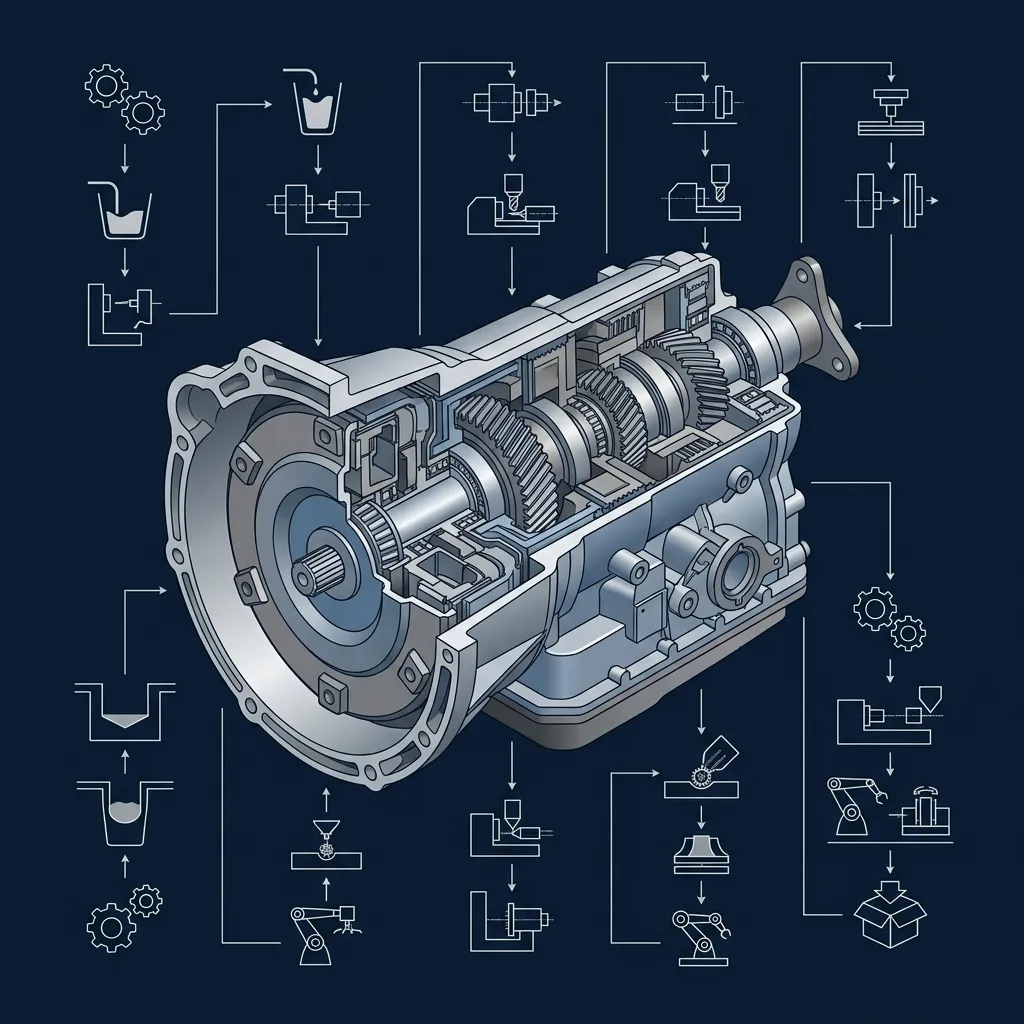
Should-Cost Analysis
Manufacturing process and material cost breakdown.

Value Engineering
Identifying cost reduction and optimization opportunities.

Material & Compliance
Chemical composition and regulatory compliance testing.
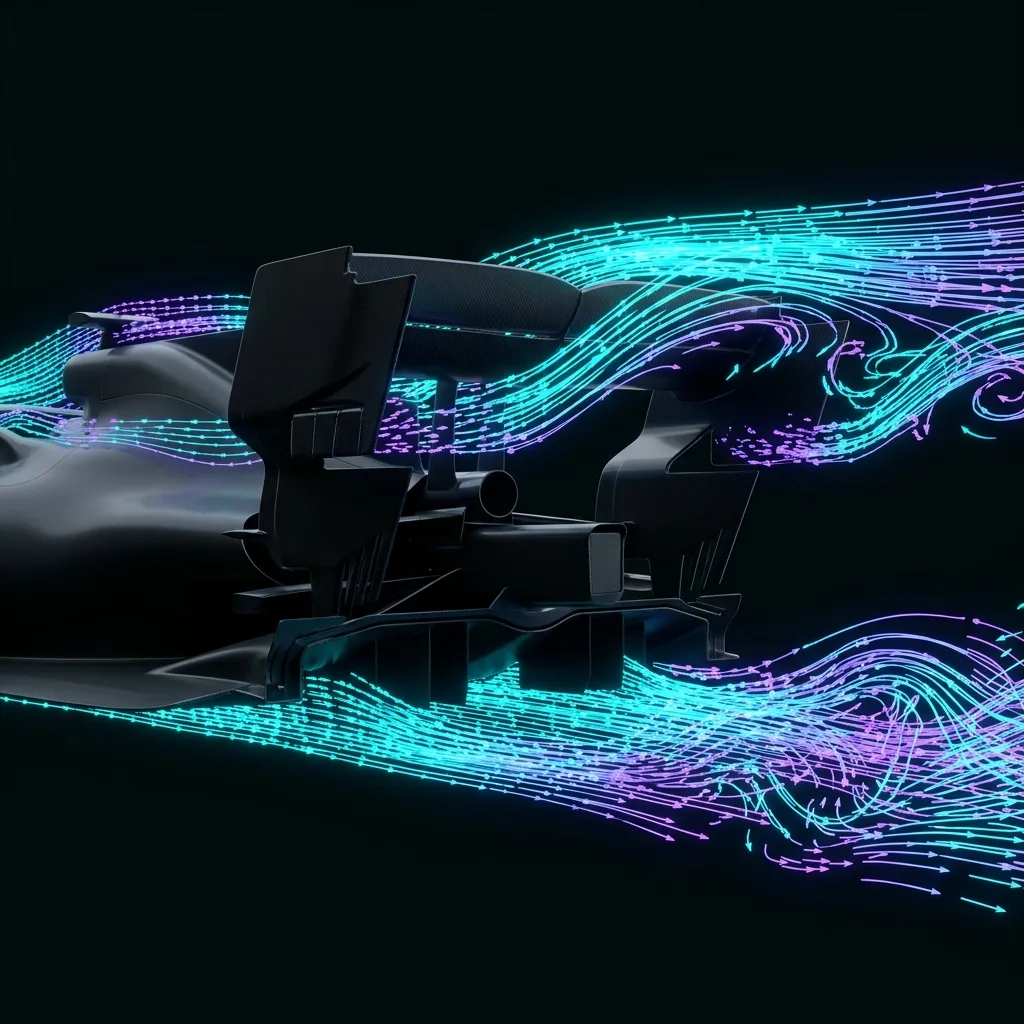
Performance Benchmarking
Dynamic testing and system efficiency validation.
Physical Teardown → Scan → CAD → Engineering Intelligence
Vehicle Teardown
Systematic dismantling of the target vehicle. Every component is catalogued, weighed, and visually inspected for assembly methods.

3D Scanning
Sub-millimeter accuracy laser and structured light scanning to capture the exact geometric realities of competitor components.

CAD Reconstruction
Converting point cloud data into fully featured, parametric 3D CAD models (Digital Twins) ready for engineering analysis.
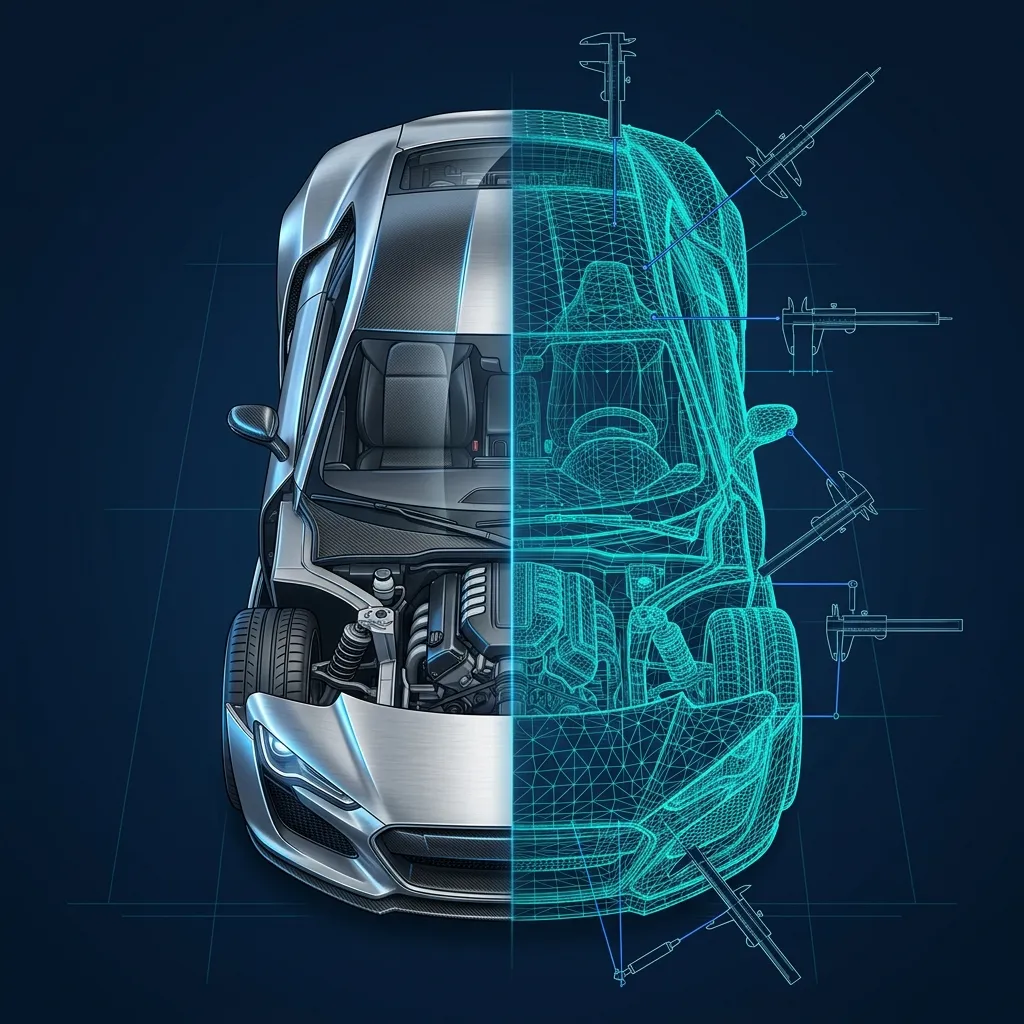
Cost Analysis & Recommendations
Generating Should-Cost models, material breakdown, and actionable engineering recommendations for your own product development.
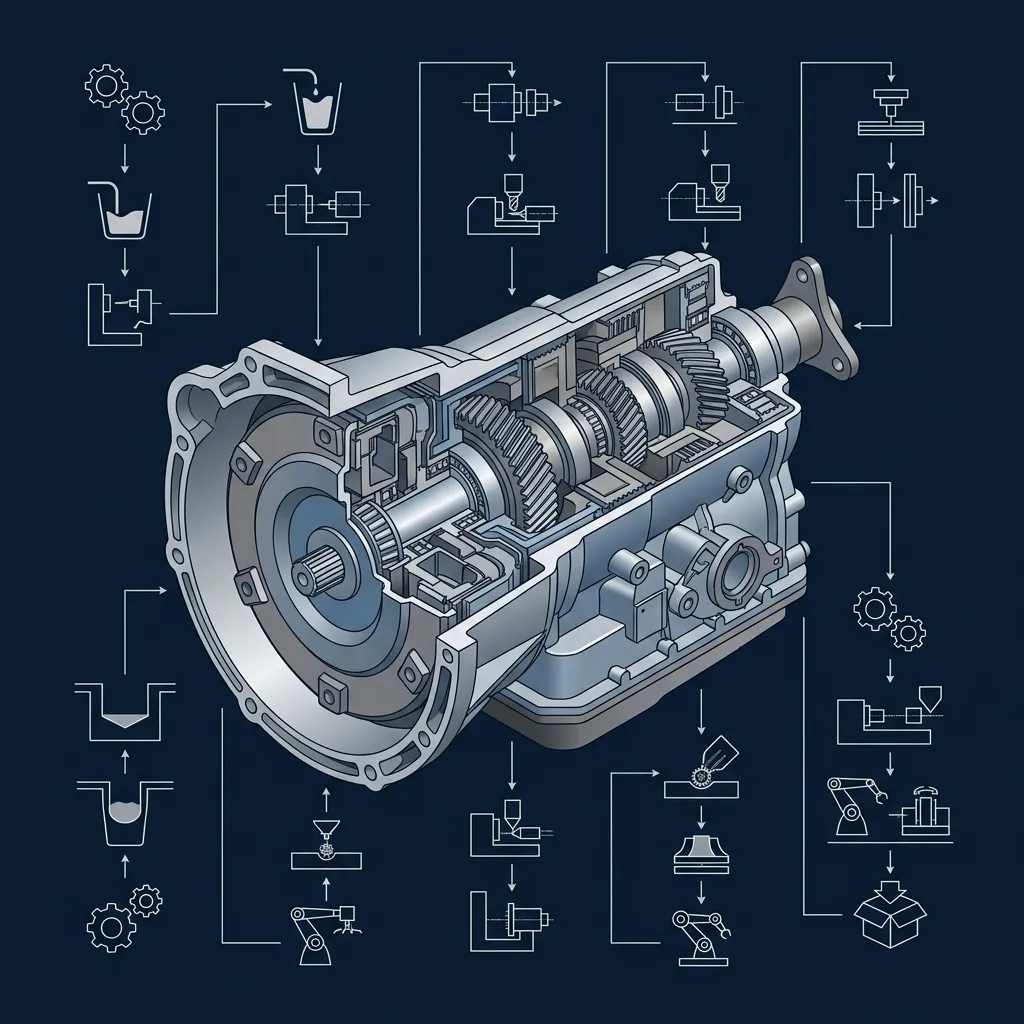
Where Cost, Weight & Manufacturing Efficiency Become Visible

Empirical Cost Models & Value Engineering
By dissecting exact manufacturing processes, tooling costs, and material compositions, our Should-Cost Lab provides verified economic models that drive immediate Value Engineering (VAVE) savings.
- Detailed Bottom-Up Manufacturing BOM Costing
- Lightweighting & Material Substitution Identification
- Supplier Negotiation & Cost Variance Reports
From Two-Wheelers to Aerospace Platforms
Extensive teardown and benchmarking experience across sectors.

Two-Wheelers
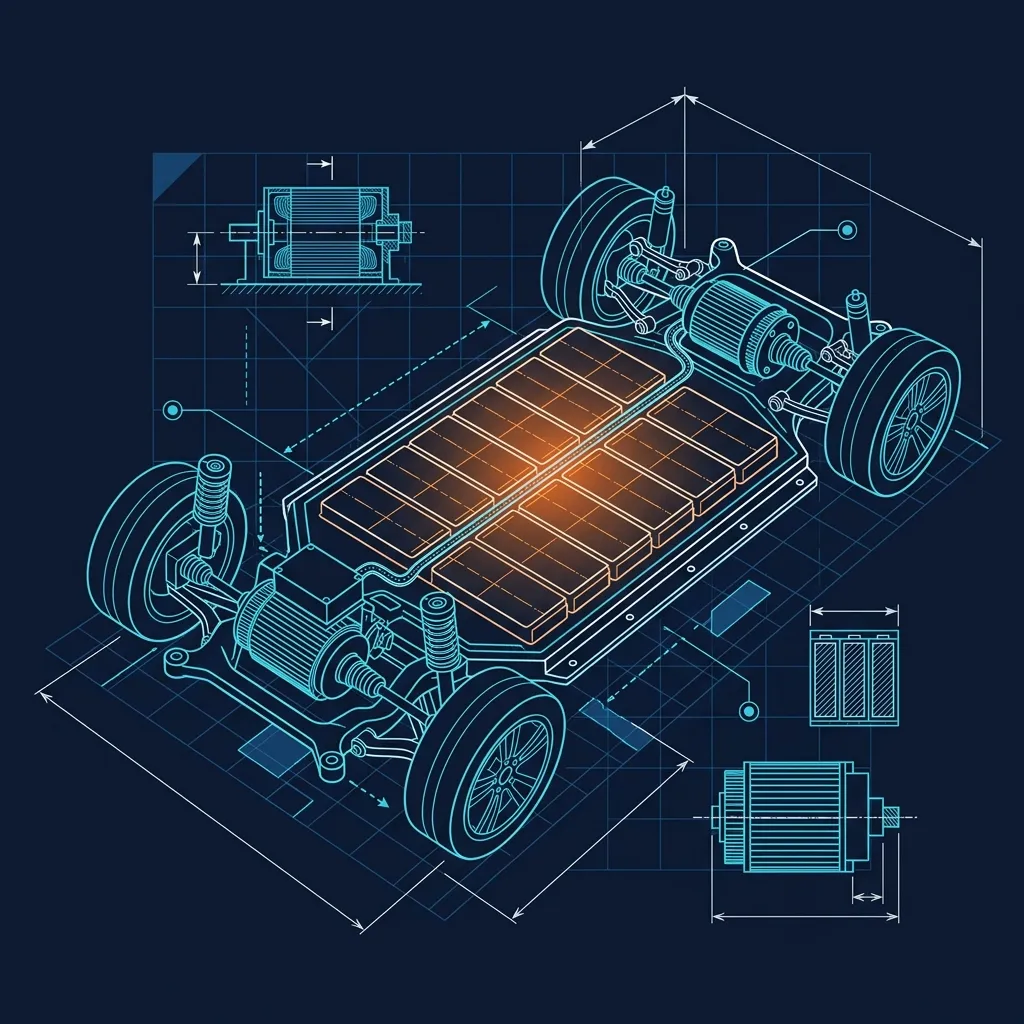
Passenger EVs

Heavy Commercial
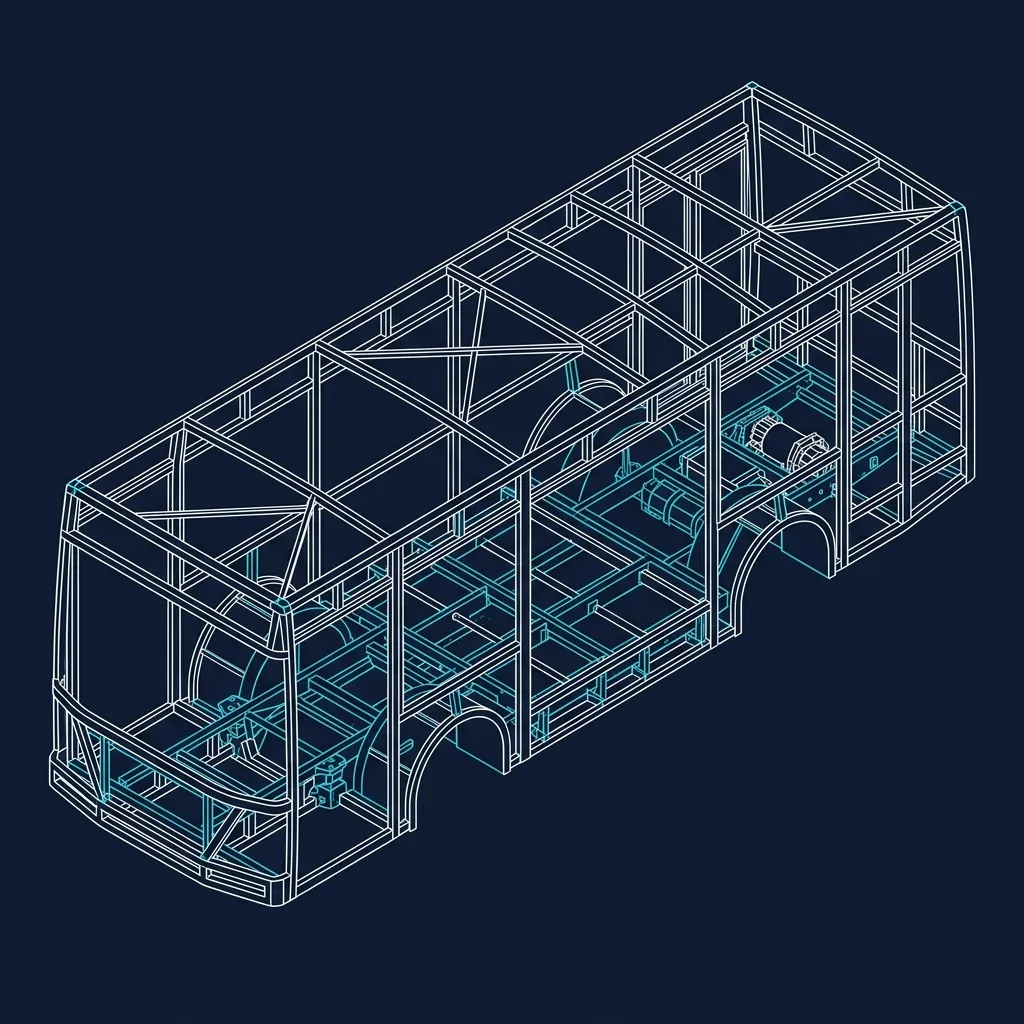
Bus & Coach
Agricultural

Mining

Aerospace
Real Benchmarking Programmes.
Real Engineering Depth.
A typical single-subsystem benchmarking study (e.g. a battery pack enclosure or a chassis cross-member) runs 3-5 weeks from teardown to final Should-Cost report; a full-vehicle programme with 400+ cataloged parts, complete GD&T-toleranced scan-to-CAD reconstruction, and multi-material composition testing typically spans 10-14 weeks. Inside our latest Electric Vehicle benchmarking programme, our team is dissecting advanced thermal management and battery pack integration strategies down to ±0.05 mm scan accuracy.
Dedicated 10+ Member Benchmarking Team
Full-time teardown engineers, metrology specialists & CAD modellers.
End-to-End Engineering Ownership
From physical vehicle disassembly to verified Should-Cost reports.
Physical + Digital Benchmarking Capability
Combining 3D laser scanning with parametric CAD digital twins.
Benchmarking vs Reverse Engineering — What's the Difference?
Automotive benchmarking is a comparative engineering study — it measures a competitor part against your own to quantify cost, weight, and design gaps. Reverse engineering is a narrower technical step — recreating a single part's exact geometry as a usable CAD file — and is often just one input into a larger benchmarking programme.
Reverse Engineering
- Goal: recreate one part's exact 3D geometry as CAD
- Output: a single scan-to-CAD model (STEP/IGES)
- Scope: usually one component at a time
- No cost, material, or competitor comparison included
- Used for legacy part replacement or spares fabrication
Automotive Benchmarking
- Goal: quantify where a competitor design wins or loses
- Output: CAD digital twin plus weight, material & Should-Cost data
- Scope: single subsystem up to a full vehicle platform
- Includes side-by-side cost, weight & VAVE comparison
- Used for product strategy, sourcing & design decisions
In practice, our benchmarking engagements use reverse engineering as the scan-to-CAD step inside a wider programme — see how it fits into full vehicle benchmarking or a focused cost, weight & value benchmarking study.
What is Automotive Benchmarking & Vehicle Teardown India?
Competitive Benchmarking and Should-Costing is the structured physical disassembly, material identification, process cycle-time estimation, and bottom-up cost modeling of competitor products and vehicle subsystems.
When to Select This Service
Choose teardown and should-costing when seeking actionable VAVE cost-reduction roadmaps (typically 10%–25% savings), supplier quotation validations, or competitive product intelligence.
Technical Capabilities & Verification Standards
Verified engineering parameters, hardware precision, and compliance benchmarks applied across all deliverables.
| Engineering Parameter | APJ 3D Capability & Precision Range | Compliance Standard / Verification |
|---|---|---|
| Benchmarking Scope | Full Vehicle Teardown (EV/ICE), Subsystems, Powertrains, Battery Packs, Industrial Equipment, Home Appliances | Standardized AIAG / VAVE Protocols |
| Costing Methodology | Bottom-Up Should-Costing (Raw material + Cycle time + Machine rates + Tooling amortization + SG&A/Profit) | Global & Indian Cost Databases |
| Material Characterization | Spectroscopy (OES/XRF), Polymer FTIR, Hardness Testing, Tensile & Microstructure Evaluation | NABL Accredited Lab Verification |
| Deliverables | Teardown Photo Books, Digital Bill of Materials (BOM), Should-Cost Models (Excel), VAVE Idea Roadmaps, CAD Assemblies | Complete Digital Teardown Portals |
| Typical Cost Savings | 10% to 25% achievable component cost reduction through DFM/VAVE recommendations | High-ROI Engineering Insights |
| Facility Capability | Dedicated 15,000+ sq.ft. Secure Vehicle & Subsystem Teardown Bays in Hosur & Chennai | NDAs & High-Security Protocols |
| Turnaround Time | 1 to 3 weeks for subsystem teardown and comprehensive should-cost models | Turnkey Benchmarking Programs |
Frequently Asked Questions
What is included in a product teardown report?
What is included in a product teardown report?
How does should-costing help in supplier negotiations?
How does should-costing help in supplier negotiations?
What is VAVE and how do you generate savings ideas?
What is VAVE and how do you generate savings ideas?
Can you benchmark electric vehicle (EV) battery packs and powertrains?
Can you benchmark electric vehicle (EV) battery packs and powertrains?
How do you maintain confidentiality and intellectual property during teardowns?
How do you maintain confidentiality and intellectual property during teardowns?
Need Competitive Benchmarking for Your Vehicles?
From Complete Vehicle Teardowns to Subsystem Cost Analysis — APJ 3D Delivers Actionable Engineering Intelligence Across India.