Industrial 3D Printing Services for Product Development & Manufacturing in India
We provide fast, functional, and production-ready components using Large Format FDM, SLS, and engineering-grade polymers for rapid prototyping and low-volume manufacturing.
What Is Industrial 3D Printing?
Industrial 3D printing uses large-format FDM machines and engineering-grade polymers to turn a validated CAD model into a functional, production-representative part — not a display prototype.
What It Is
Additive manufacturing on industrial-grade printers with heated, enclosed build chambers up to 1000mm, using engineering thermoplastics like Polycarbonate, ABS, Nylon, ASA, PETG, and TPU — built for mechanical performance, not just appearance.
How It Differs From Standard FDM
Desktop FDM produces one-off concept models. Industrial 3D printing adds a DFM engineering review, dual-extrusion soluble supports, zero-warp thermal control, and a post-print dimensional inspection report — the same rigor applied to production tooling.
Where It Fits in Product Development
Used for rapid prototyping, jigs and fixtures, validation assemblies, and low-volume end-use components — often as one stage inside a broader functional prototyping or DFM assessment program.
From CAD to Physical Part — Without the Wait
Model Upload
Engineering Review
Material Select
FDM Printing
Inspection
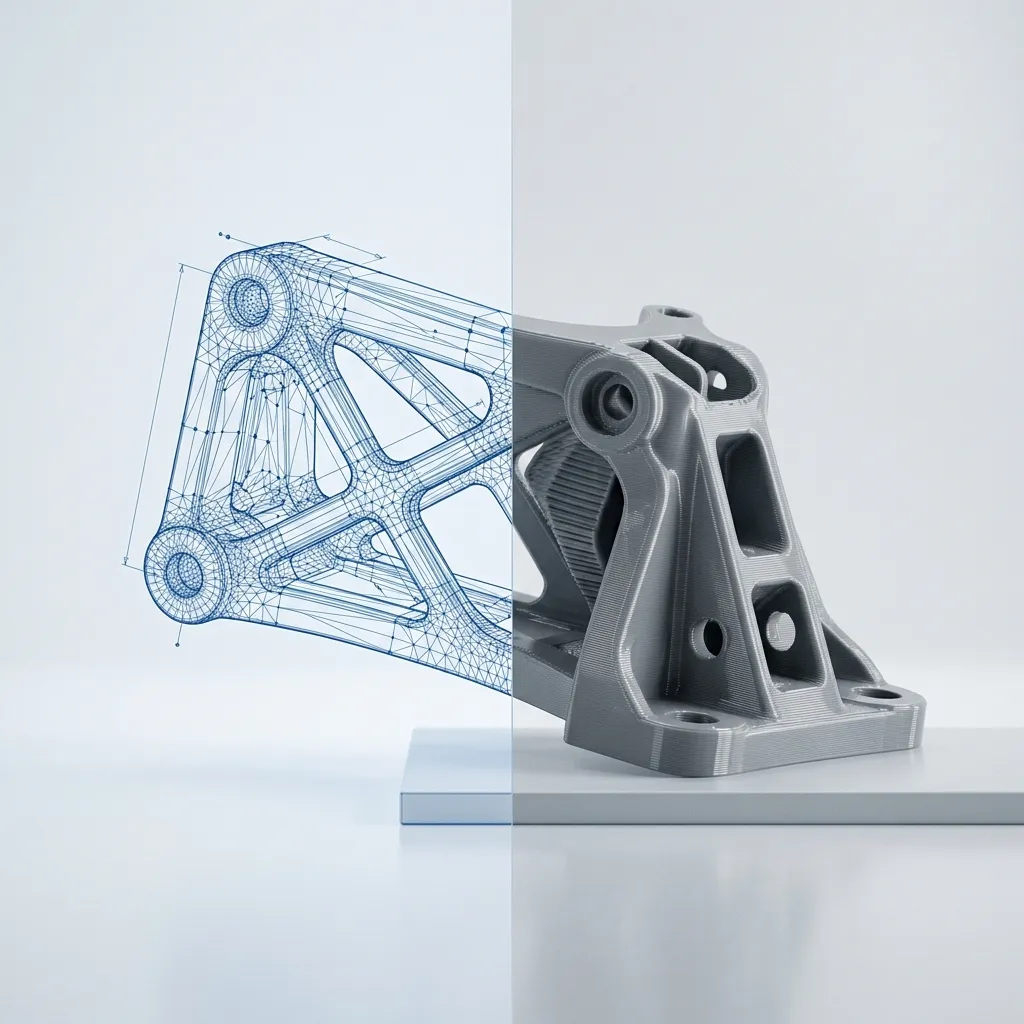
3D CAD Model Upload & Validation
Secure upload of native 3D CAD files (.STEP, .IGES, .STL). Automated geometry verification detects thin wall sections, overhang angles, and surface mesh integrity instantly.
- ✓ Multi-Format CAD Support (.STEP, .IGES, .STL, .SLDPRT)
- ✓ Automated Wall Thickness & Mesh Integrity Verification
- ✓ Instant Volume & Build Time Calculation
Applications for Industrial Parts
Rapid Prototyping
Functional Parts
Jigs & Fixtures
Built for Manufacturing
End-use Components
Low Volume Production
Validation Assemblies
Engineering Material Selection
Polycarbonate (PC)
APJ Technology Ecosystem
Ecosystem
Large Format FDM Printing
Our core capability for rapid, cost-effective industrial parts up to 1 meter in size.
Why Engineers Choose APJ 3D
Industrial Manufacturing Showcase
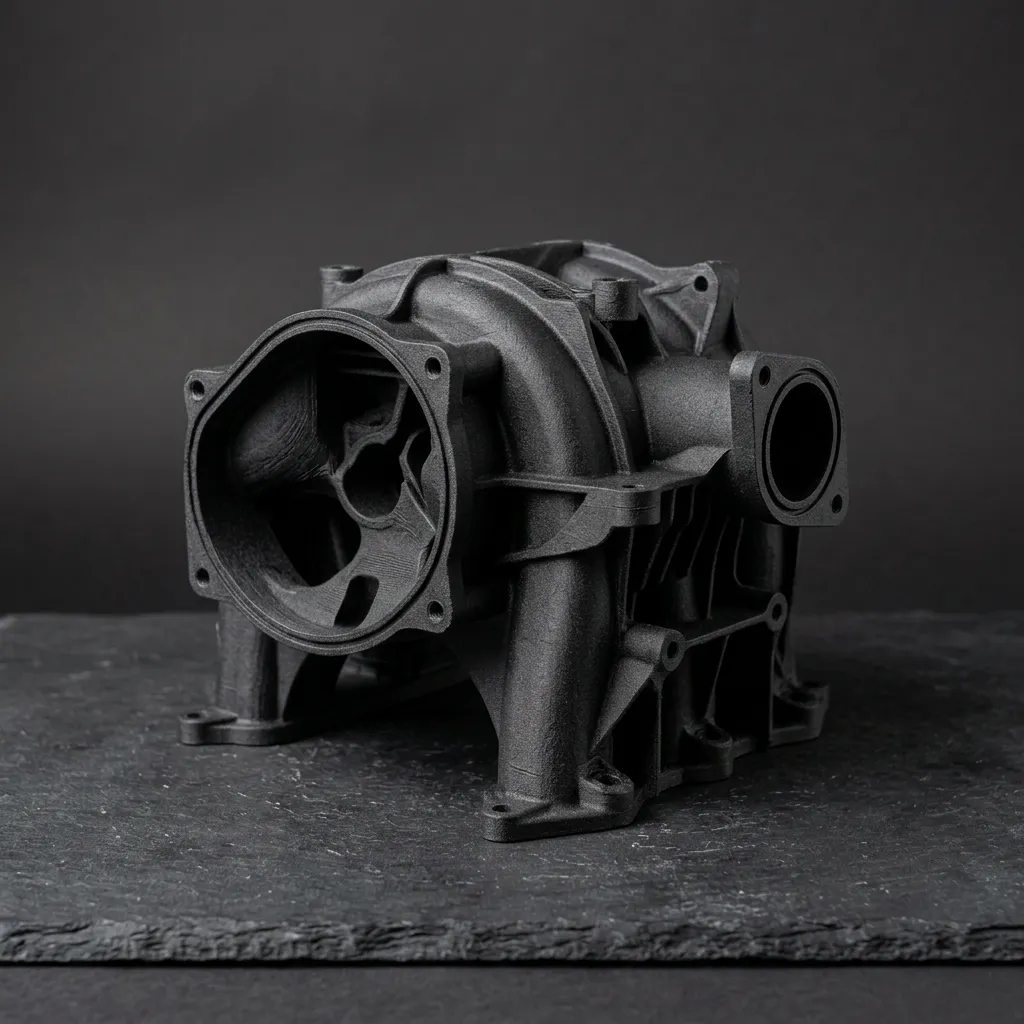
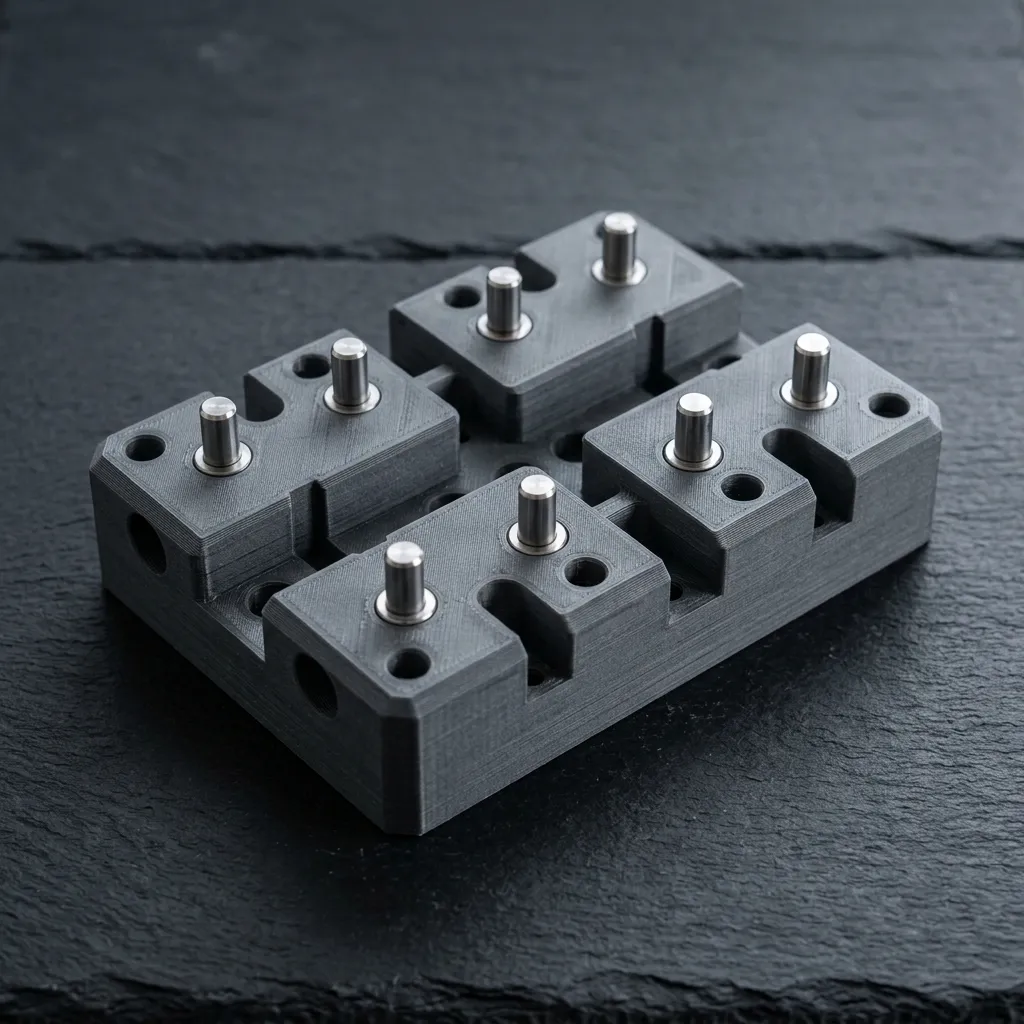
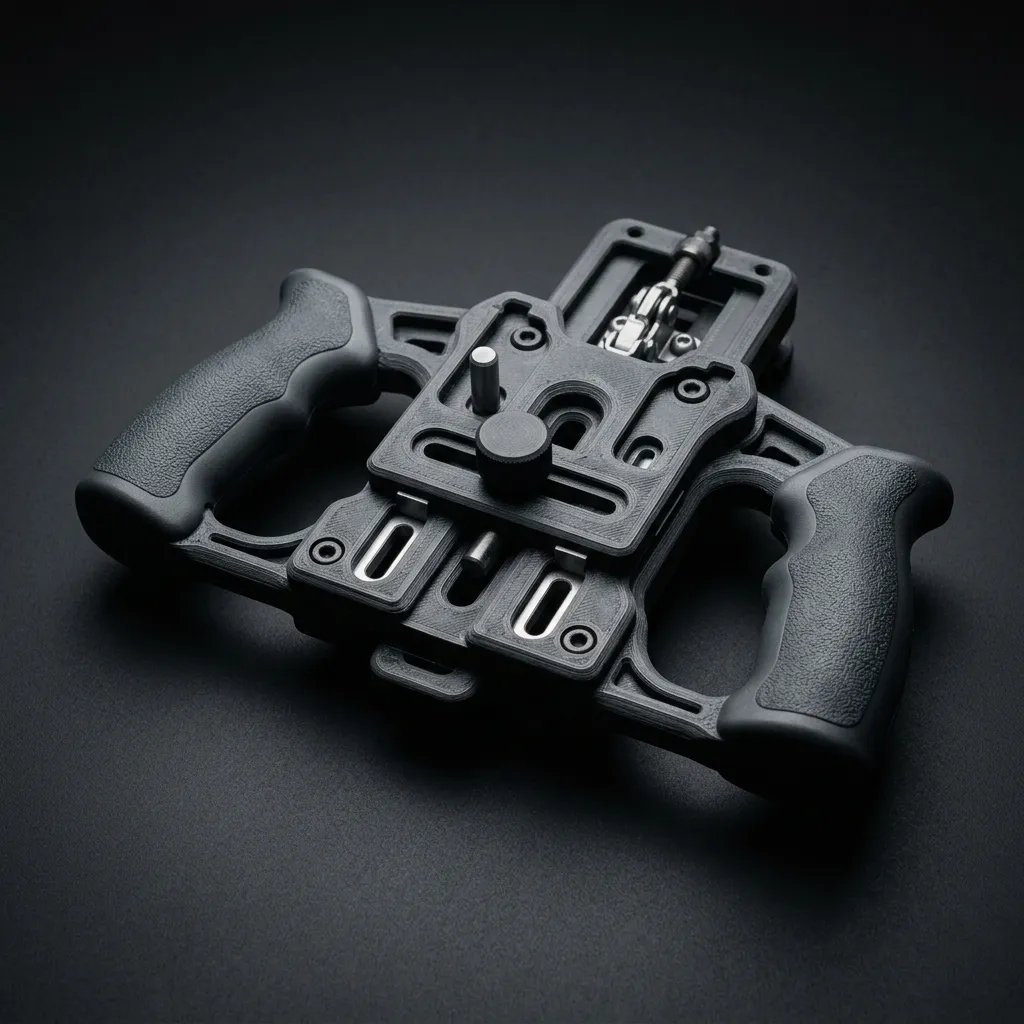
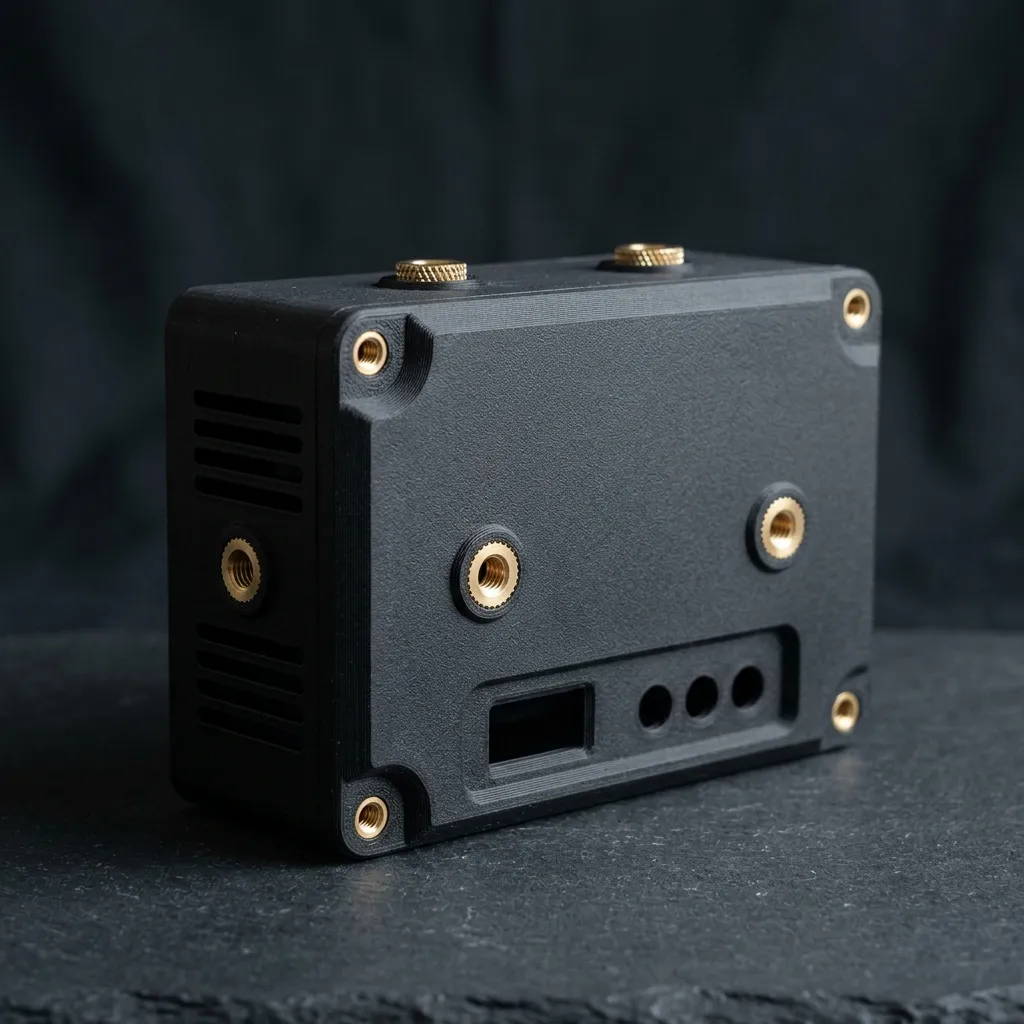
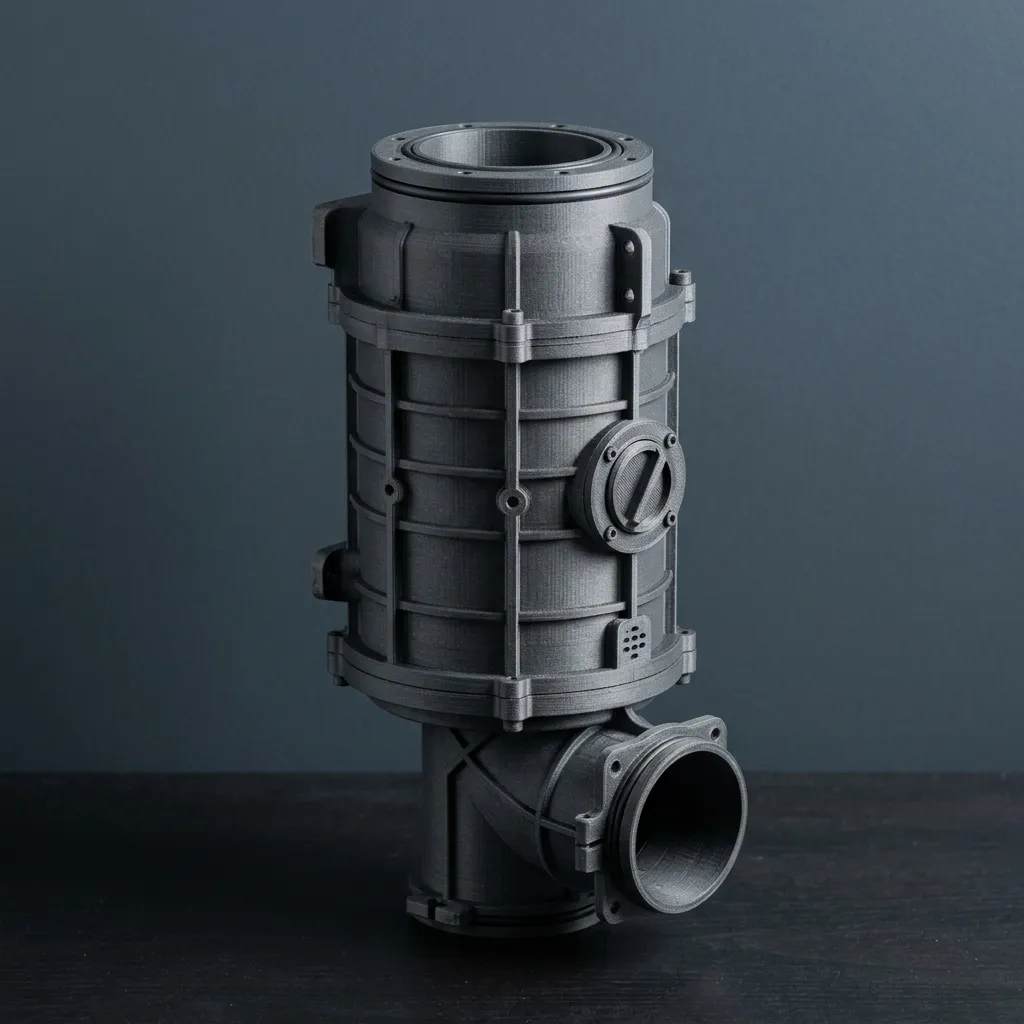
Industrial 3D Printing vs CNC Machining — When to Use Which
Industrial 3D printing wins on speed and geometric freedom — complex internal channels, jigs, and low-volume parts can be printed in Nylon or ABS-CF within days with no tooling cost. CNC machining wins on tight tolerances and metal parts — where a print might hold ±0.2mm, precision-machined aluminum or steel routinely holds ±0.02mm to ±0.05mm. Most engineering programs use both: printed jigs and fixtures to hold machined production parts during inspection.
CNC Machining
- Best for metals: aluminum, steel, brass, titanium
- Holds tight tolerances, typically ±0.02–0.05mm
- Requires fixturing and toolpath programming per part
- Higher cost per unit for complex internal geometry
Industrial 3D Printing
- Best for engineering thermoplastics: PC, ABS, Nylon, ASA, PETG, TPU
- No tooling — CAD to physical part in days, not weeks
- Free-form and internal geometry impossible to machine
- Typical dimensional accuracy around ±0.15–0.2mm on large-format FDM
Not sure which process fits your part? A DFM assessment reviews your CAD to recommend the right route, and every printed part can be verified against tolerance with our 3D inspection service.
What is Industrial 3D Printing India?
Industrial 3D Printing (Additive Manufacturing) is the tool-less, layer-by-layer fabrication of physical parts directly from 3D CAD data using industrial technologies including HP Multi Jet Fusion (MJF), Selective Laser Sintering (SLS), Stereolithography (SLA), Fused Deposition Modeling (FDM), and Direct Metal Laser Sintering (DMLS).
When to Select This Service
Choose industrial 3D printing when rapid prototypes are required in 24–48 hours, for low-volume bridge production (50 to 5,000 units) without tooling CapEx, or for complex internal channels and lattice lightweighting impossible to machine conventionally.
Technical Capabilities & Verification Standards
Verified engineering parameters, hardware precision, and compliance benchmarks applied across all deliverables.
| Engineering Parameter | APJ 3D Capability & Precision Range | Compliance Standard / Verification |
|---|---|---|
| Supported Technologies | HP MJF 5200/4200, SLS, Industrial SLA, Metal DMLS/SLM, High-Temp FDM | ISO/ASTM 52900 Additive Standards |
| Available Materials | PA12, PA11, TPU 88A/95A, ABS-like Resin, Clear Resin, AlSi10Mg, 316L, Ti6Al4V, PEEK | Full Material Traceability Certificates |
| Dimensional Tolerances | ±0.2 mm or ±0.2% (MJF/SLS); ±0.1 mm (SLA); ±0.2% (DMLS Metal) | ASME Y14.5 / ISO 286 Inspection |
| Layer Resolution | 50 to 120 microns (Technology dependent; MJF at 80 µm) | Calibrated Laser / Agent Slicing |
| Maximum Build Envelopes | Up to 380 x 284 x 380 mm (MJF); 600 x 600 x 400 mm (SLA); 250 x 250 x 300 mm (DMLS) | Batch 3D Nesting Supported |
| Post-Processing & Finishing | Bead Blasting, Vapor Smoothing, Black Dyeing, CNC Secondary Tapping, Heat Treatment | Cleanroom / Cosmetic Grade Standards |
| Production Lead Times | 24 to 48 Hours (Prototypes); 3 to 5 Business Days (Batch Runs 50–5,000 units) | Express Nationwide Dispatch from Hosur / Bengaluru |
Frequently Asked Questions
Which 3D printing process is right for my application?
Which 3D printing process is right for my application?
How does 3D printing cost compare to injection moulding?
How does 3D printing cost compare to injection moulding?
What CAD file formats are accepted for 3D printing quotes?
What CAD file formats are accepted for 3D printing quotes?
What is the typical turnaround time for orders in India?
What is the typical turnaround time for orders in India?
Can 3D printed parts be tapped with threads or post-machined?
Can 3D printed parts be tapped with threads or post-machined?
Verify Mechanical Properties Before
Production Makes the Decision Permanent.
Leverage our reliable tensile and hardness testing service India. Secure your material batches with our independent laboratory data.