Engineering Services for
Medical Device Manufacturers in India
Precision 3D scanning, dimensional inspection, reverse engineering, FAI reporting, and CAD documentation services for medical device manufacturers, tooling suppliers, and healthcare equipment producers across India.
What Medical Device Manufacturers Actually Need From an Engineering Partner
Medical device programs run on tighter margins for error than almost any other manufacturing sector — geometry, material, and documentation all have to hold up to regulatory scrutiny, not just functional testing.
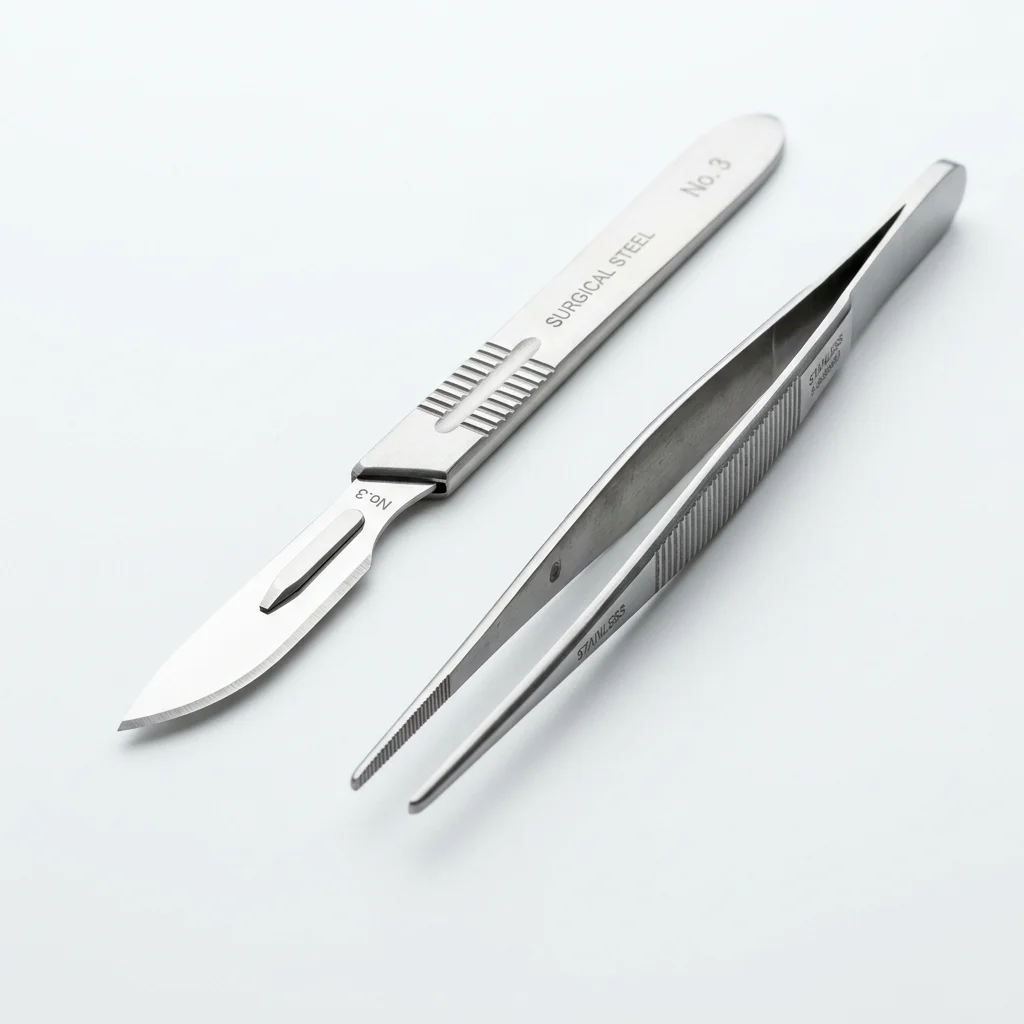
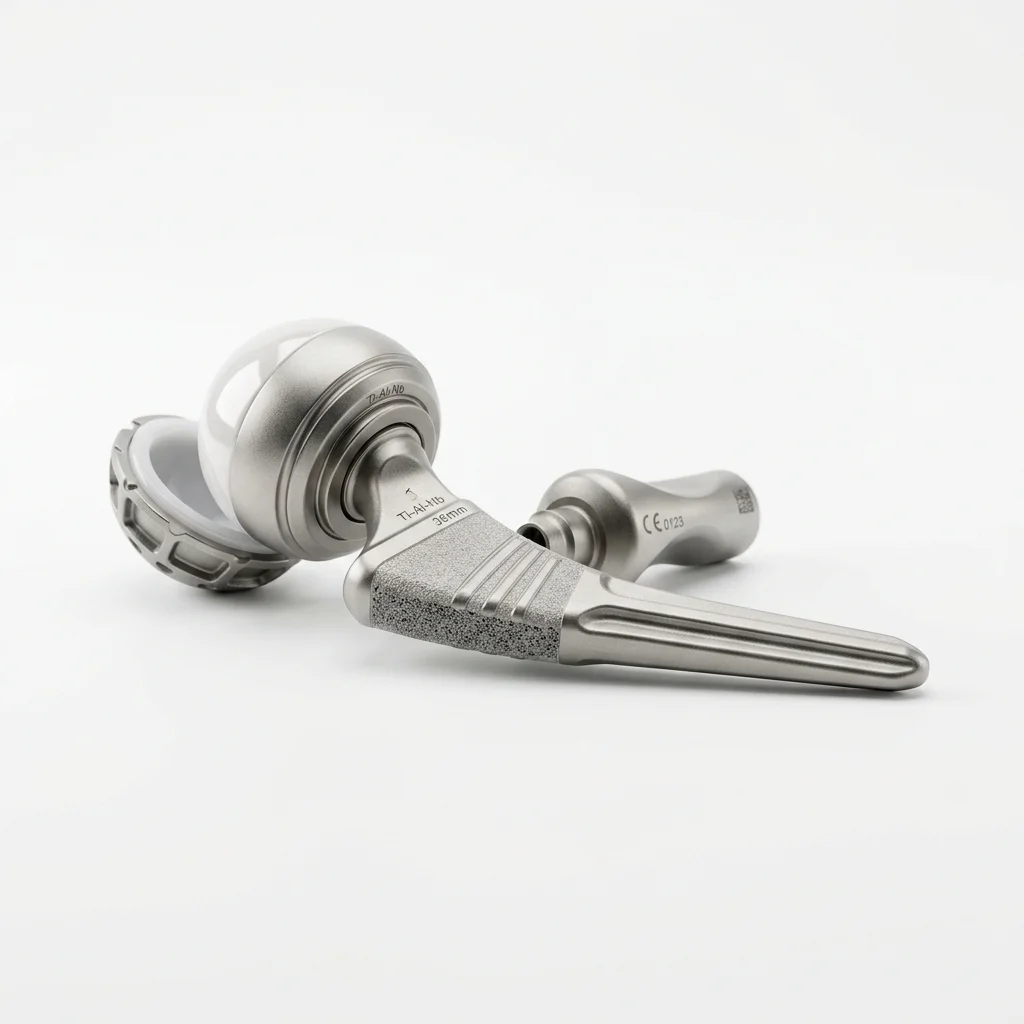
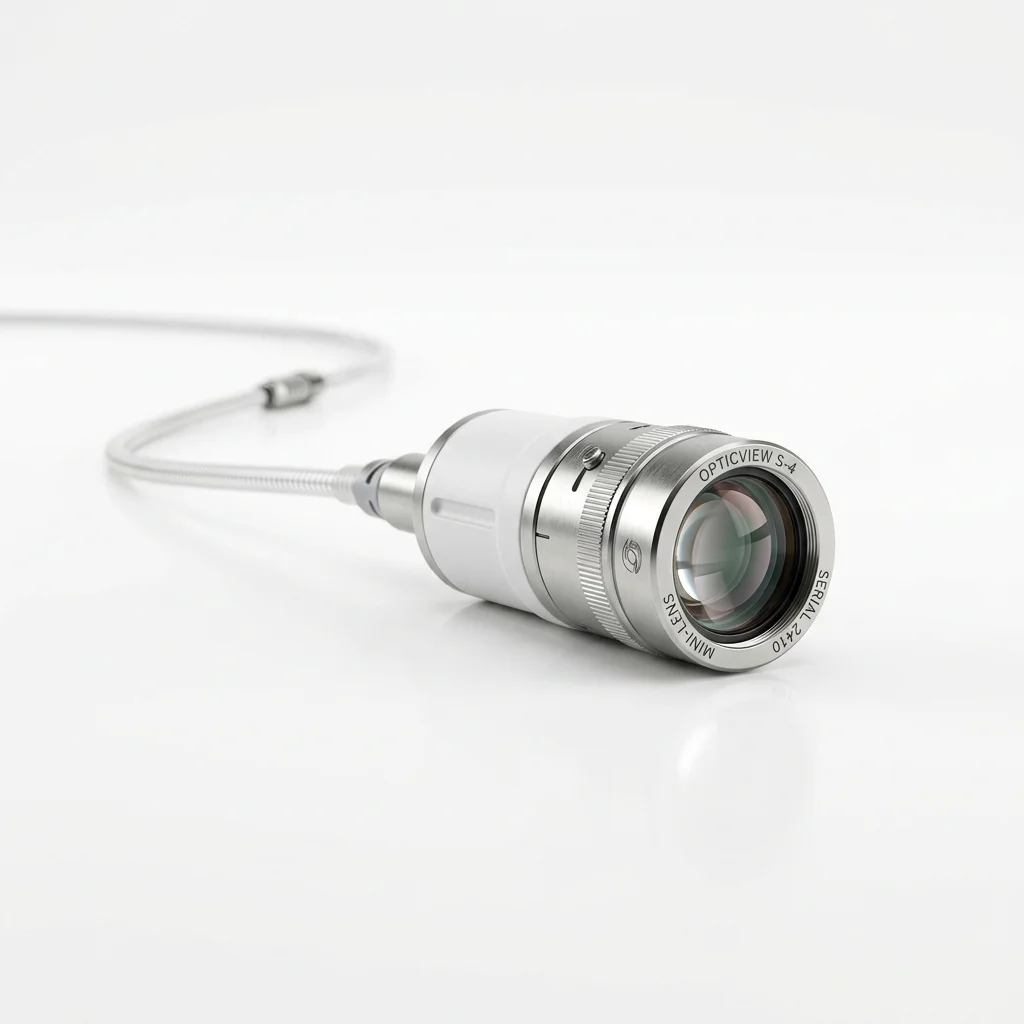
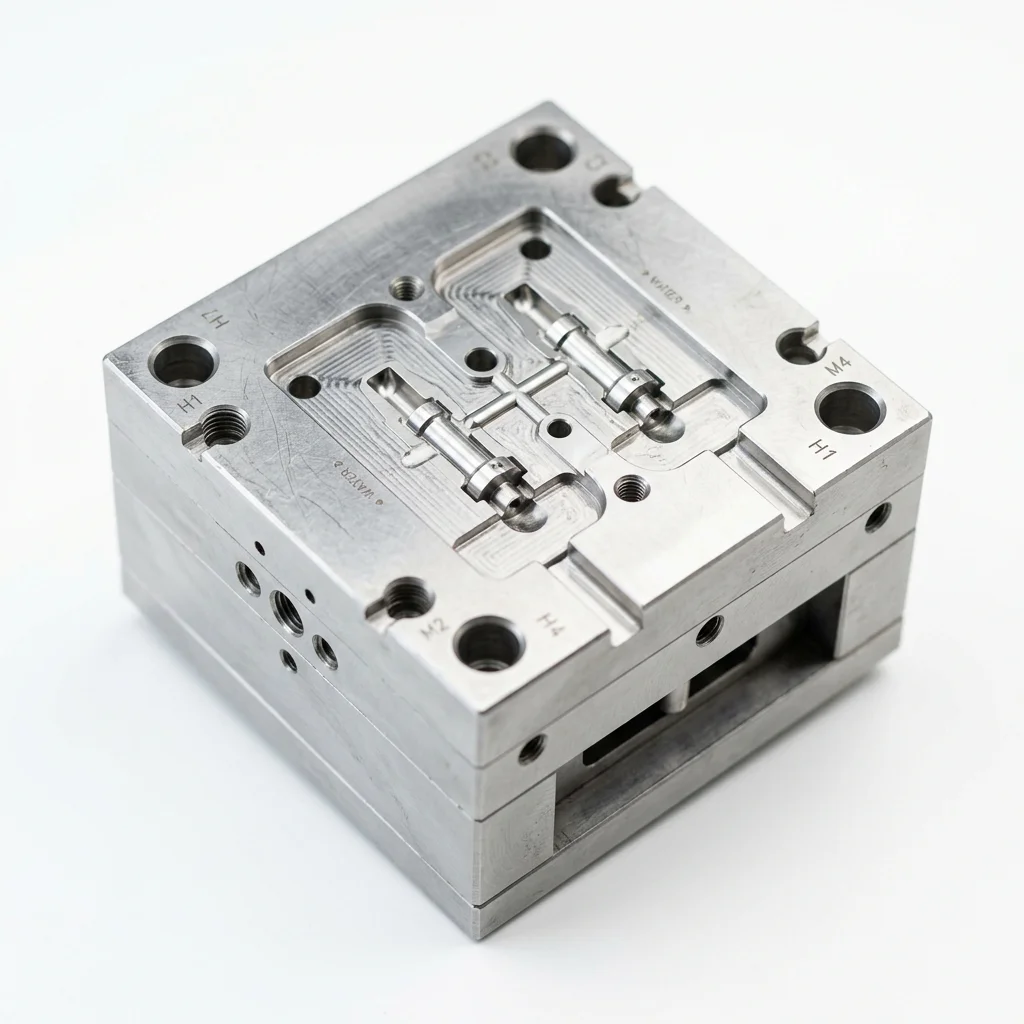
Most medical device teardown and requalification work starts with a physical part and very little usable digital history — a legacy implant, a discontinued surgical instrument, or an injection mould that has drifted from its original design intent. APJ3D's medical device teardown services strip these components down, capture every functional surface with high-resolution 3D scanning, and rebuild the design record from the ground up, so engineering, quality, and regulatory teams are working from the same verified data.
Where CAD simply doesn't exist, our reverse engineering for legacy devices reconstructs a fully parametric model — including GD&T-critical features like implant mating surfaces, instrument pivot geometry, and housing seal lands — so a part can be re-manufactured, requalified, or safely modified without guessing at the original designer's intent.
Fit and function aren't the only concerns. Devices that are hand-held, worn, or implanted also have to pass ergonomics and usability analysis — grip geometry, actuation force, and hand-instrument interaction all get evaluated against how clinicians and patients actually use the device, not just how it was drafted on paper. For polymer housings, seals, and biocompatible components, we run material testing and biocompatibility-relevant characterization to confirm the physical part matches its specified material behaviour before it reaches a compliance audit.
Every engagement closes with regulatory-grade documentation — dimensional inspection reports, GD&T verification, and First Article Inspection records structured to slot directly into an ISO 13485-aligned quality system, rather than raw measurement data your team has to reformat before it's audit-ready.
Teardown & Legacy Recovery
Full device teardown and reverse engineering for parts with missing or outdated CAD, rebuilding a parametric, manufacturing-ready model from the physical component.
Ergonomics & Material Verification
Usability analysis for handheld and worn devices, plus biocompatible material and polymer testing to confirm parts meet their specified material behaviour.
Regulatory-Grade Documentation
GD&T verification, First Article Inspection, and dimensional reports structured for ISO 13485-aligned design history files and audit trails.
Reverse Engineering vs. OEM Part Sourcing for Legacy Medical Devices
When a hospital or manufacturer needs to service, requalify, or replace an out-of-production instrument or implant, the choice is between reverse-engineering the physical part or continuing to chase the original OEM. Regulatory risk, not just cost, decides which is viable.
Dimensional Accuracy Is
Patient Safety.
Helping medical device manufacturers ensure regulatory compliance, maintain micron-level accuracy, and eliminate costly rework through advanced 3D metrology and inspection solutions.
Engineering Services for
Medical Device Manufacturers
Six services cover a medical device from first physical teardown to audit-ready documentation: scanning and inspection, reverse engineering, tooling validation, First Article Inspection, CAD documentation, and portable CMM measurement for equipment too large to move to a lab.
Why Medical Device
Manufacturers Choose APJ3D
Our Medical Device Engineering Workflow
What is Medical Devices Industry Engineering Services?
Medical Devices Industry Engineering Services cover precision 3D scanning, dimensional inspection, reverse engineering, First Article Inspection (FAI) reporting, and CAD documentation tailored to medical device manufacturers, tooling suppliers, and healthcare equipment producers.
When to Select This Service
Choose these engineering services when your medical device or healthcare equipment production needs accurate dimensional validation, reverse engineering, or FAI documentation to meet quality and regulatory expectations.
Technical Capabilities & Verification Standards
Verified engineering parameters, hardware precision, and compliance benchmarks applied across all deliverables.
| Engineering Parameter | APJ 3D Capability & Precision Range | Compliance Standard / Verification |
|---|---|---|
| Teardown & Legacy Recovery | 3D scanning and reverse engineering of legacy instruments and implants where original CAD is missing, outdated, or held by a legacy supplier | Fully Parametric CAD Reconstruction |
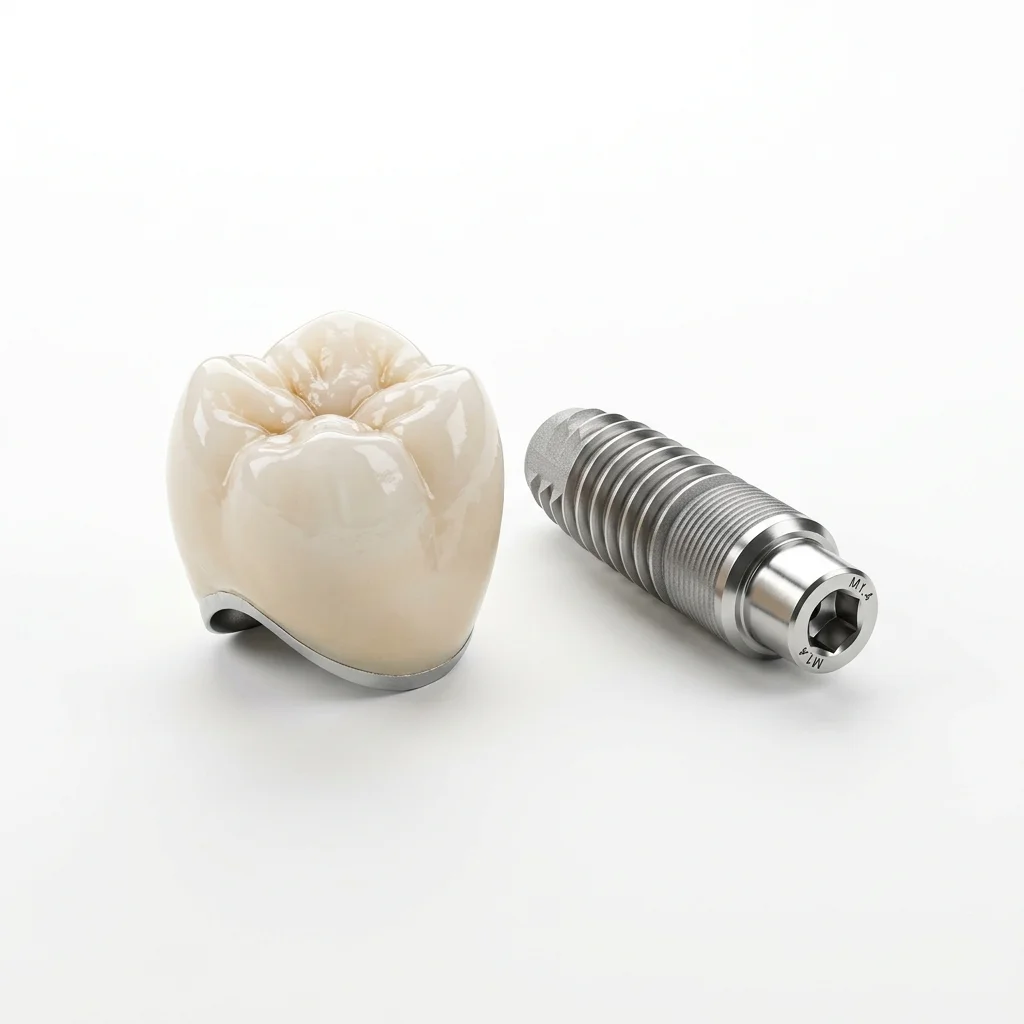
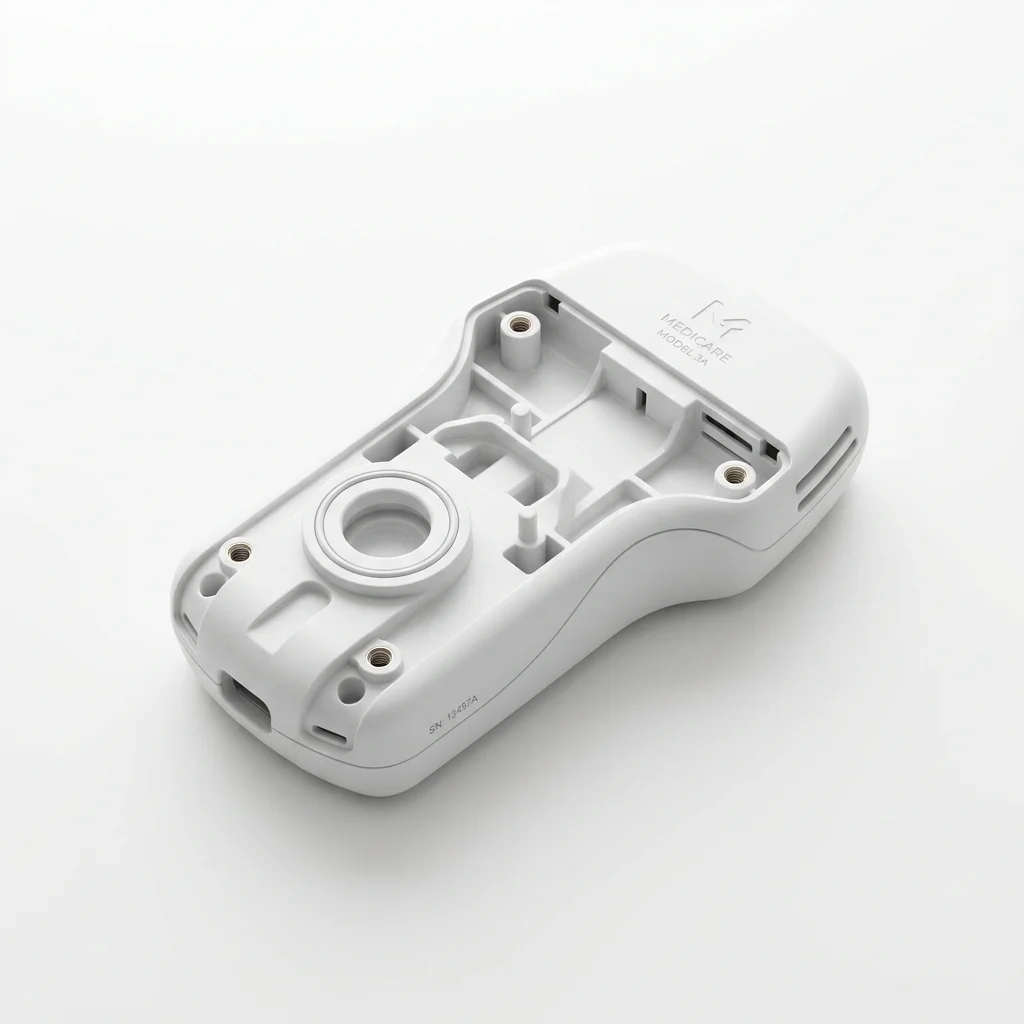
| Components Commonly Inspected | Surgical instruments, orthopedic and dental implants, medical device housings and enclosures, imaging equipment frames, and production tooling | Multi-Device Coverage |
| GD&T-Critical Feature Rebuild | Reconstructs implant mating surfaces, instrument pivot geometry, and housing seal lands from the physical part | Micron-Level Geometry Recovery |
| Regulatory-Grade Documentation | GD&T verification, First Article Inspection, and dimensional inspection reports structured for ISO 13485-aligned design history files | ISO 13485-Ready Reporting |
| Material Coverage | Surgical-grade metals and biocompatible polymers used in devices, implants, and their production tooling | Biocompatible & Surgical-Grade Materials |
| Engagement Workflow | Defining device, tolerance, and regulatory documentation requirements through to dimensional inspection and First Article Inspection reporting | Structured Medical Device Workflow |
Frequently Asked Questions
Can you perform 3D scanning on-site at our manufacturing plant?
Can you perform 3D scanning on-site at our manufacturing plant?
How do 3D scanning and reverse engineering differ?
How do 3D scanning and reverse engineering differ?
What is a color deviation inspection map?
What is a color deviation inspection map?
Can dark, shiny, or transparent surfaces be scanned?
Can dark, shiny, or transparent surfaces be scanned?
What accuracy can we expect for automotive and aerospace components?
What accuracy can we expect for automotive and aerospace components?
Precision That Meets ISO 13485 Standards
Whether you're validating implant geometry, inspecting surgical instruments, or reverse engineering medical components — APJ3D delivers traceable, micron-level dimensional data your regulatory team can rely on.