Topology Optimisation
Service India
Material evolution through intelligence. We provide topology optimization services for lightweight and structural component design in India, removing weight while keeping performance.
Human Design vs Solver Intelligence
Why manual redesign rarely finds the best solution. Watch material disappear dynamically from conventional designs into optimized load paths.
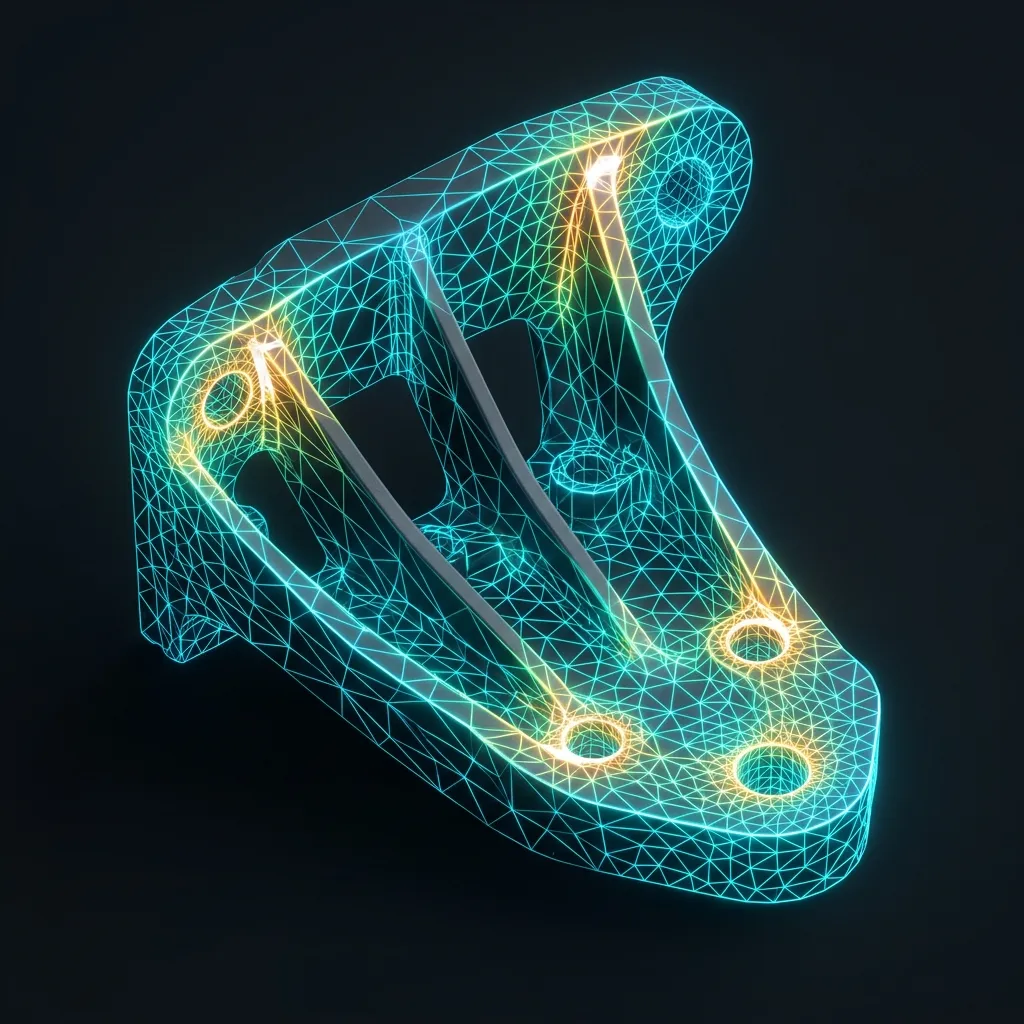
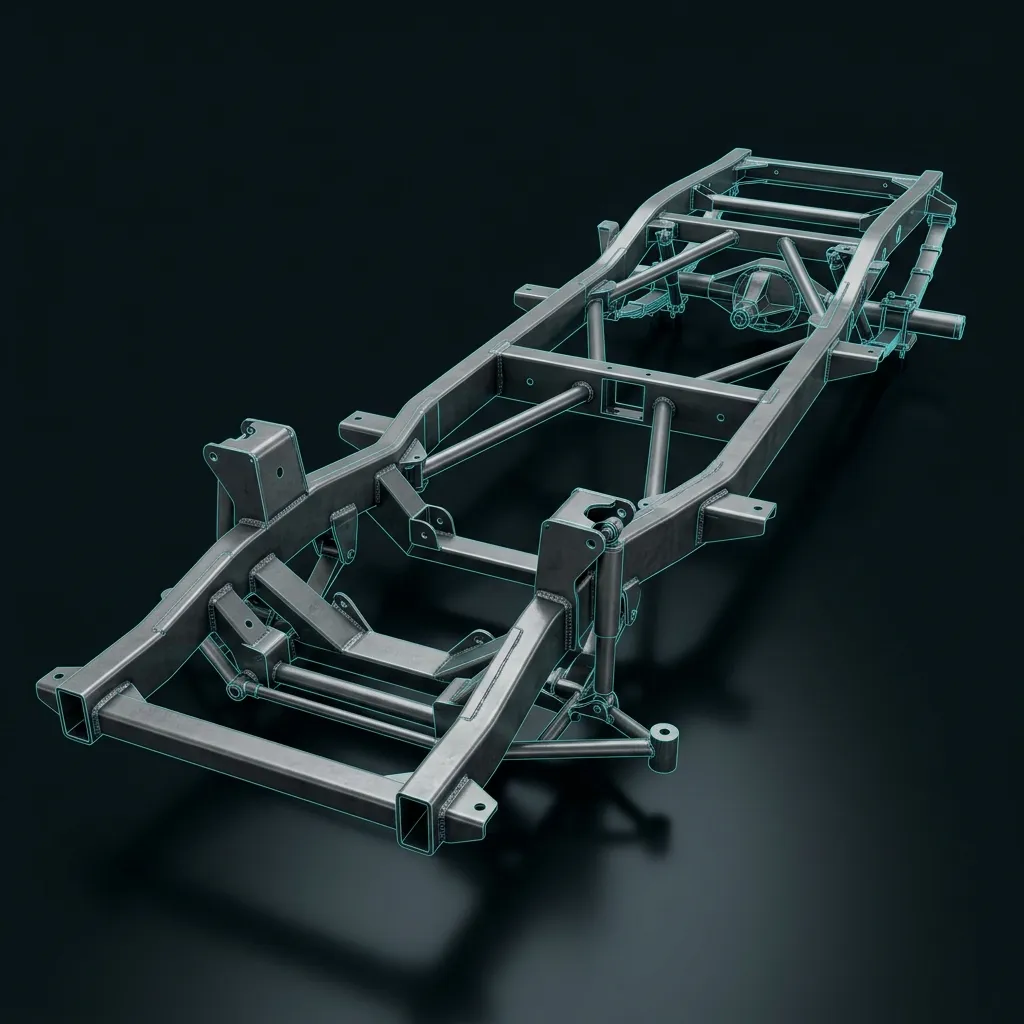
Traditional Engineering

Multiple iterative redesigns. Heavy components with excess material outside load paths.
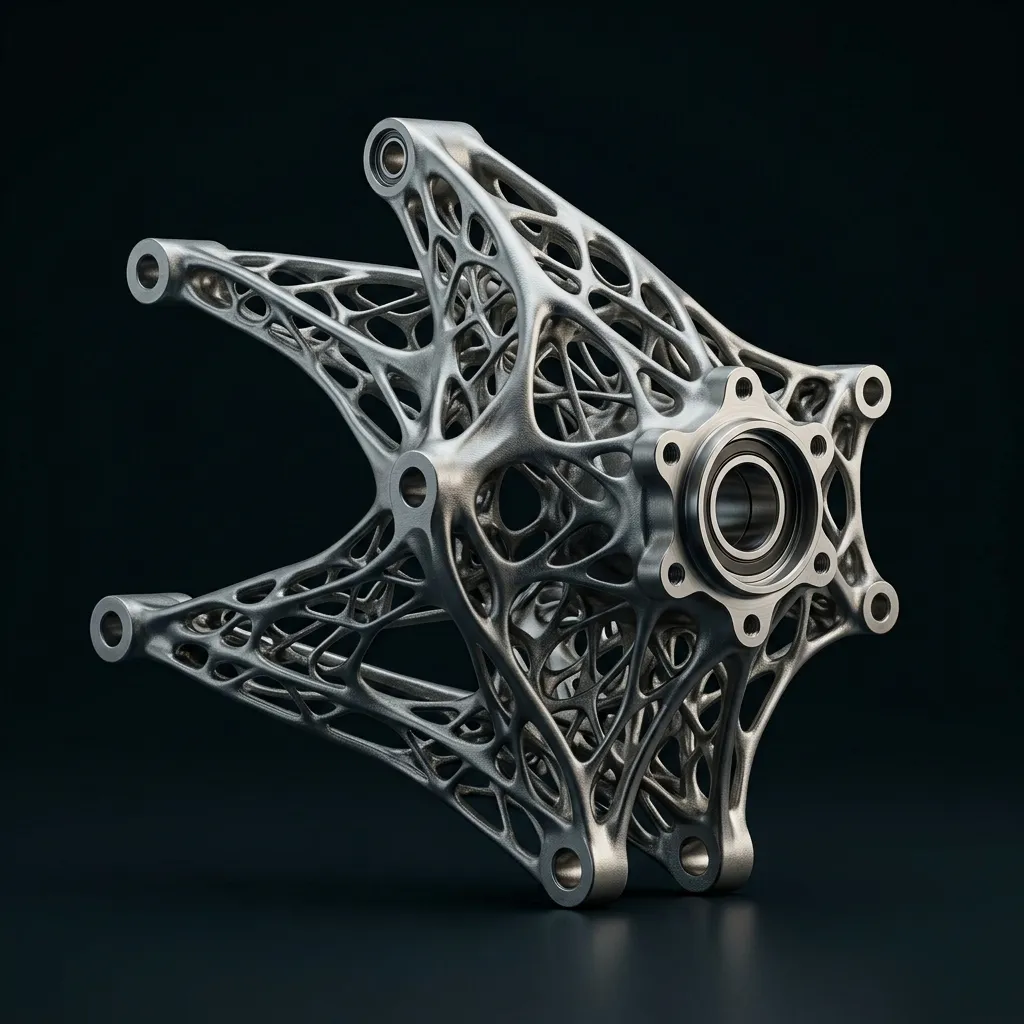
Topology Optimised
Organic load paths. Lightweight structure. Maximum stiffness-to-weight ratio achieved.
Digital Material Evolution Chamber
See how our topology solver synthesizes complex constraints into perfect geometry.
Engineering Control Runway
The rigorous 5-stage APJ process from raw geometry to production-ready design.
Load Case Definition
Design Space Setup
Solver Execution
CAD Reconstruction
FEA Validation
Industry Weight Reduction Ecosystem
Where generative design and structural optimization deliver the highest ROI.
Automotive
Suspension mounts, structural brackets, and cross members optimized for ultimate fuel efficiency and performance.
Additive Manufacturing
Generative lattice structures explicitly designed for 3D printing, enabling unprecedented geometric complexity.
Industrial Machinery
Machine frames, tool carriers, and moving gantry structures topologically tuned for dynamic stability.
The Reconstruction Studio
Optimization is useless if it can't be manufactured. See how we interpret raw organic meshes into clean, production-ready CAD geometry.
Performance Verification Command Center
Ensuring the optimized structure meets all structural requirements.
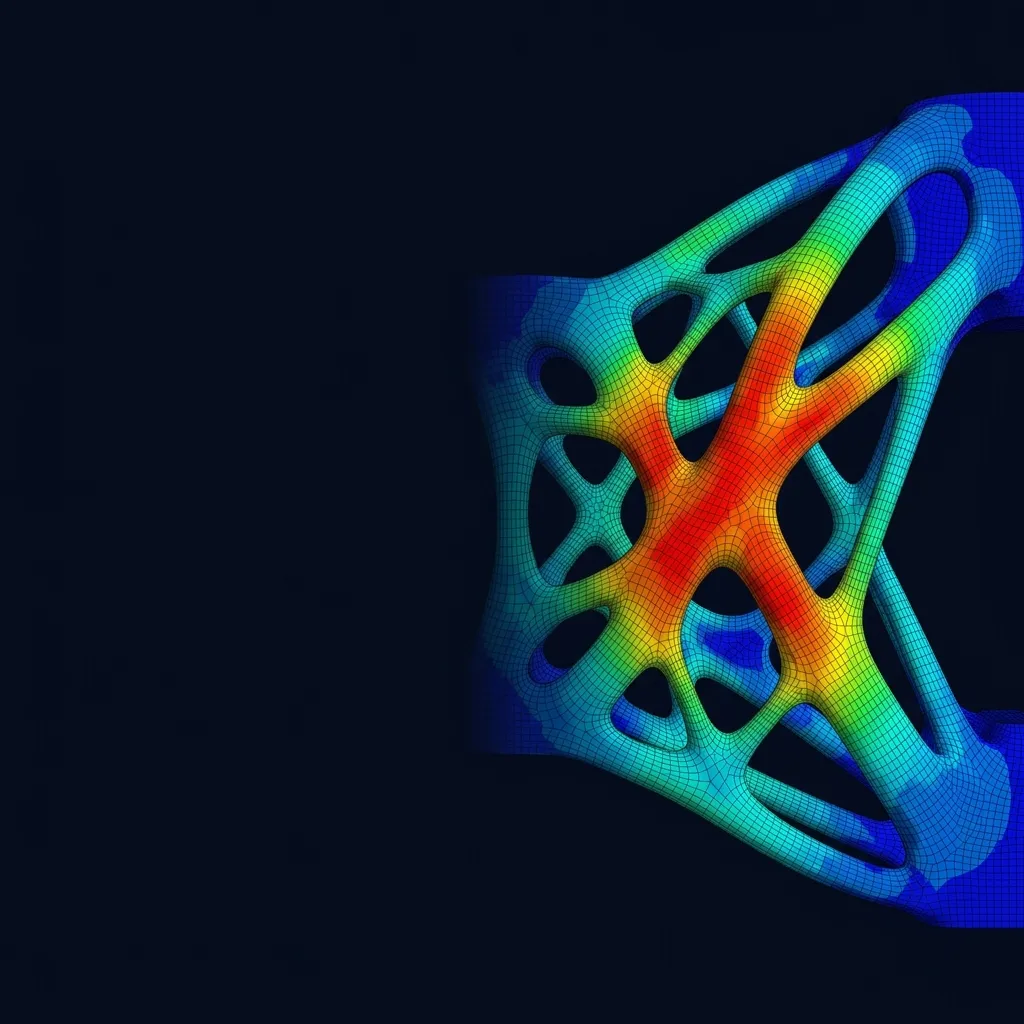
Stress Validation
Displacement
Factor of Safety
Natural Frequency
What is Topology Optimisation Service India?
Topology optimisation is a generative CAE method that computationally evolves material distribution within a defined design space and load case, removing material from low-stress regions to produce a lightweight, structurally efficient part geometry while retaining required performance.
When to Select This Service
Choose topology optimisation when a component needs significant weight reduction without sacrificing structural performance, particularly for parts destined for additive manufacturing or other design-freedom-enabled production methods.
Technical Capabilities & Verification Standards
Verified engineering parameters, hardware precision, and compliance benchmarks applied across all deliverables.
| Engineering Parameter | APJ 3D Capability & Precision Range | Compliance Standard / Verification |
|---|---|---|
| Process Stages | Load Case Definition, Design Space Setup, Solver Execution, CAD Reconstruction, FEA Validation | Structured Optimisation Workflow |
| Validation Metrics | Stress validation, displacement, factor of safety, and natural frequency checked on the optimised geometry | FEA Validation |
| Optimisation Types | Shape & Size Optimisation, Fatigue & Durability Analysis, Failure Mode Analysis | Generative & Structural Optimisation |
| Additive Manufacturing Fit | Generative lattice structures designed explicitly for 3D printing, enabling geometric complexity impossible with conventional machining | Print-Ready Lattice Design |
| Industry Applications | Automotive, industrial machinery, and additive manufacturing programs seeking mass reduction without losing strength | Multi-Industry Coverage |
| Design Input | 3D CAD model upload with defined load cases and design space constraints | CAD-Driven Load Case Setup |
Frequently Asked Questions
Which 3D printing process is right for my application?
Which 3D printing process is right for my application?
How does 3D printing cost compare to injection moulding?
How does 3D printing cost compare to injection moulding?
What CAD file formats are accepted for 3D printing quotes?
What CAD file formats are accepted for 3D printing quotes?
What is the typical turnaround time for orders in India?
What is the typical turnaround time for orders in India?
Can 3D printed parts be tapped with threads or post-machined?
Can 3D printed parts be tapped with threads or post-machined?
Ready to Reduce Weight Without Losing Strength?
From Concept to Optimised Geometry — APJ 3D Delivers Expert Topology Optimisation Services Across India.