KNOWLEDGE RECOVERY SERVICE

Preserve Legacy.
Enable Innovation.

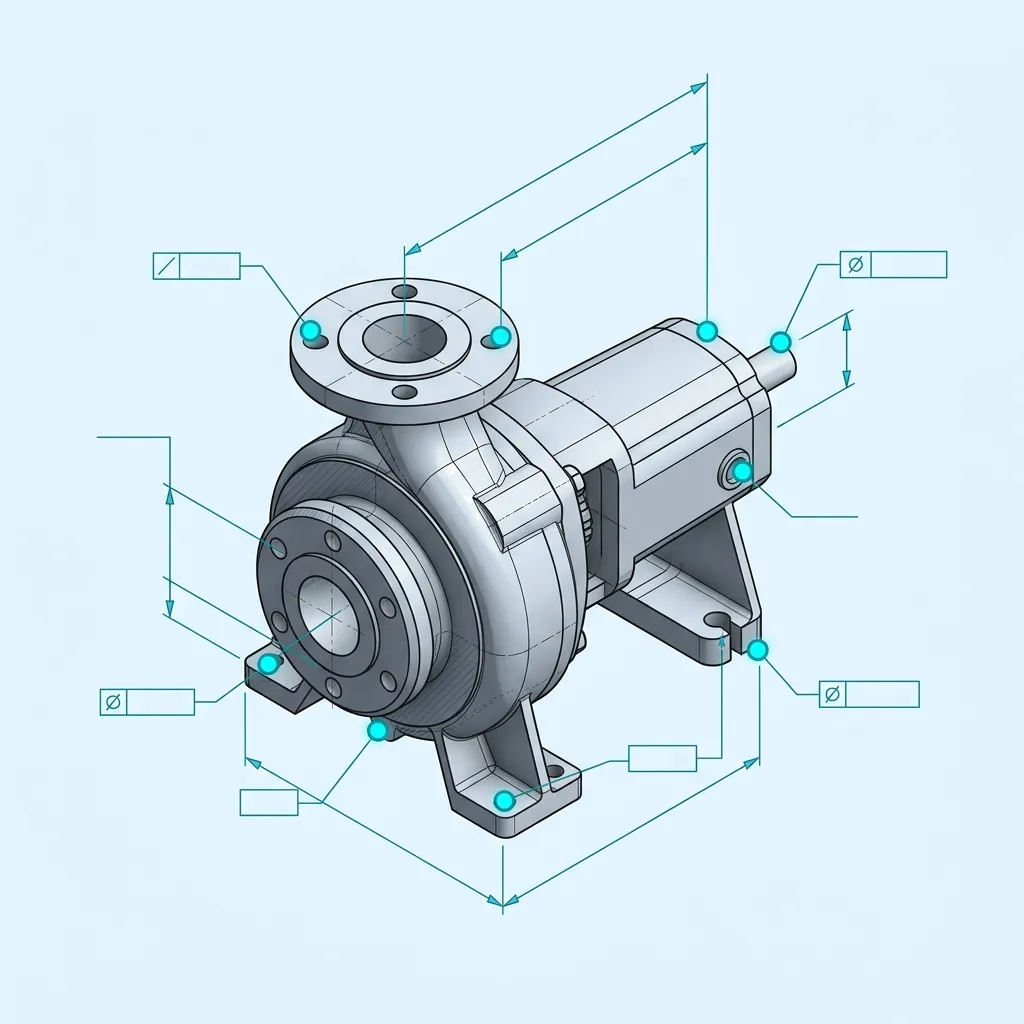
Scan, Reconstruct, and Protect. We transform undocumented, obsolete, and heritage physical components into fully usable, parametric digital engineering assets ensuring your long-term operational continuity.

4000+ Projects
1000+ Clients
9 Industries
Pan India Service

Many Manufacturers Don't Lose a Machine.
They Lose the Engineering Knowledge Behind It.

The Past: Physical Artifacts
The Future: Digital Assets

When Documentation Disappears,
Operations Become Vulnerable

No Engineering
Records

Production Delays
Downtime costs multiply rapidly.
Every minute lost hits the bottom line.
Maintenance Risks
Unplanned breakdowns occur.
Without docs, repairs take weeks.
Supplier Lock-in
Trapped by OEM pricing.
Unable to source alternate vendors.
Redesign Costs
Reverse engineering is expensive.
Starting from scratch delays projects.
Procurement Issues
Cannot source without part numbers.
Supply chain grinds to a halt.
Knowledge Loss
Expertise leaves with staff.
Tribal knowledge is permanently lost.

Building a Bridge Between Past Engineering and Future Innovation

The Past

Physical component, vulnerable to wear, unrecorded modifications, and obsolescence.
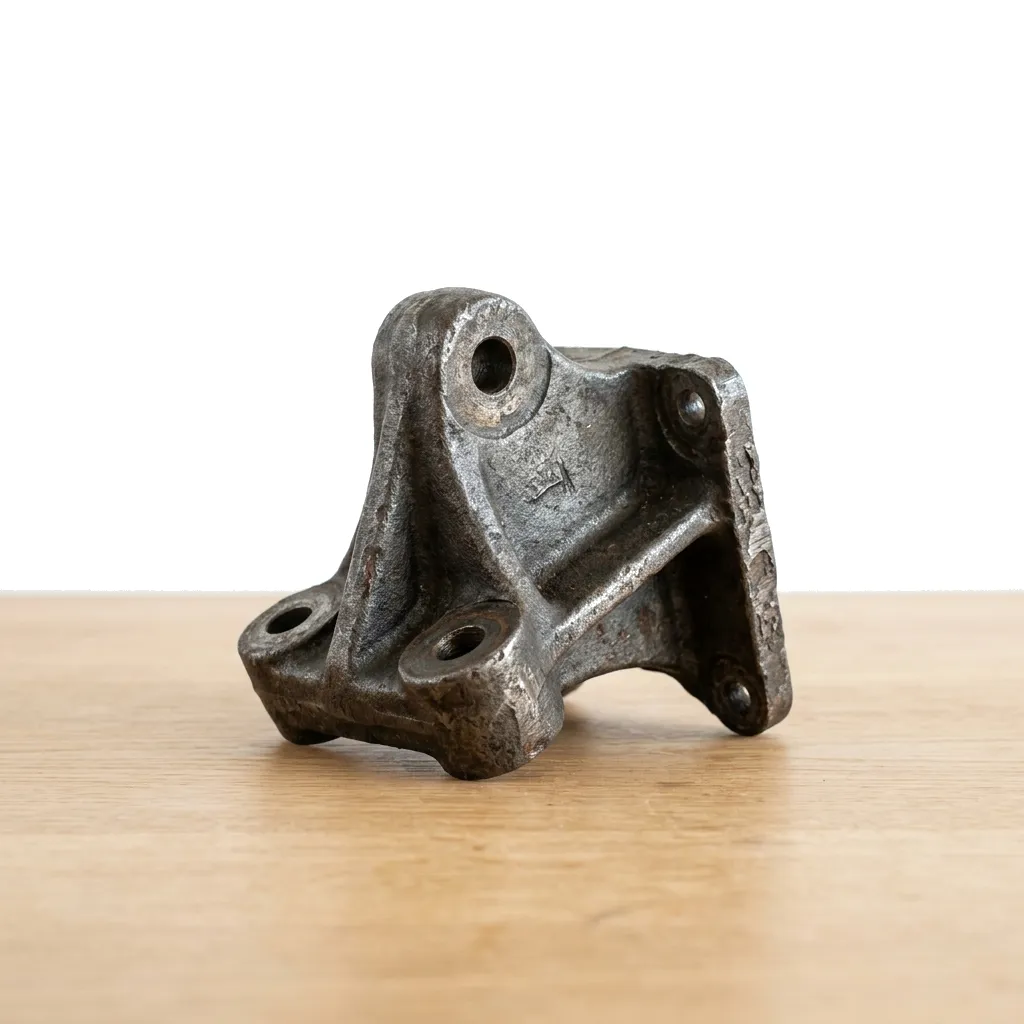
The Past: Physical Component

The Present

High-fidelity digital reconstruction, capturing exact geometry and design intent.

The Present: Active Scanning Reconstruction

The Future

Manufacturing, rapid redesign, simulation, and automation-ready parametric assets.
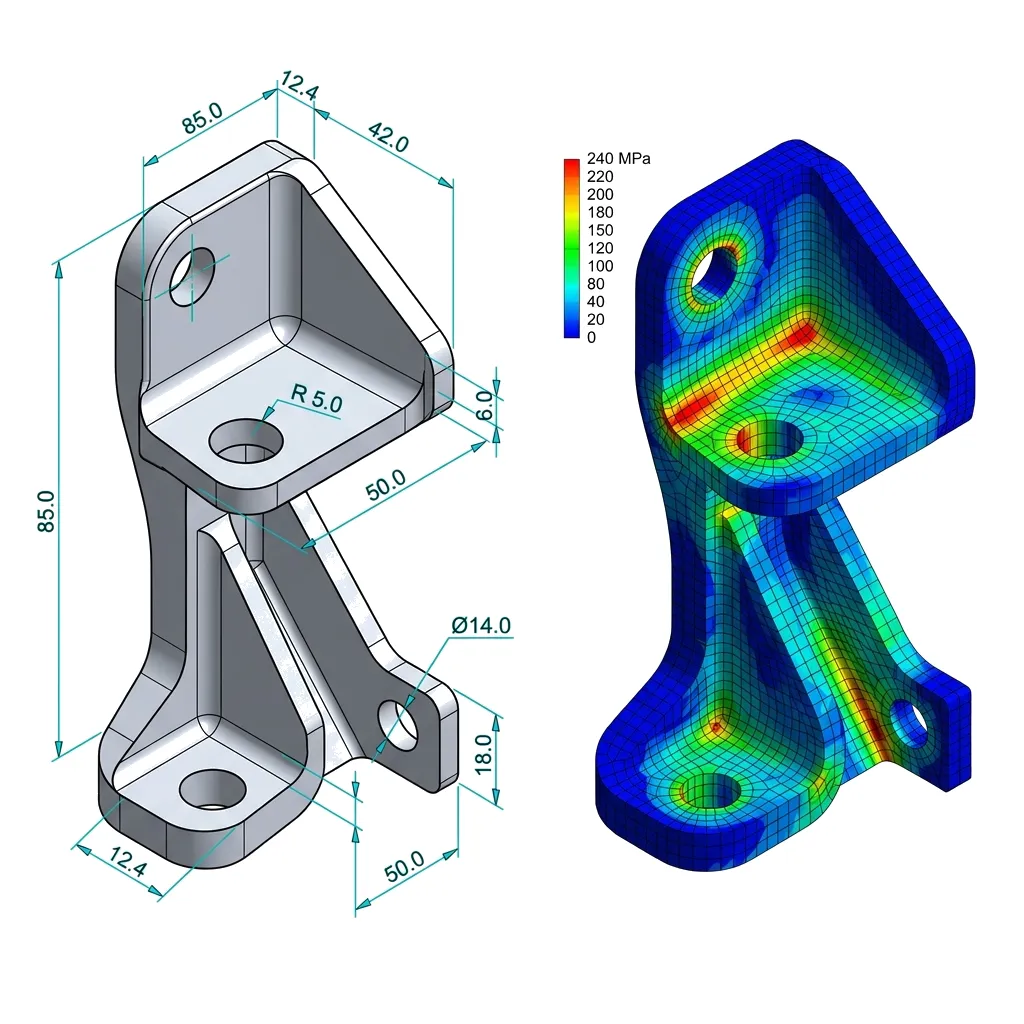
The Future: Manufacturing Package FEA Simulation

Creating a Permanent Engineering Record

Instead of relying on a single physical component, manufacturers gain a reusable, indestructible engineering asset.
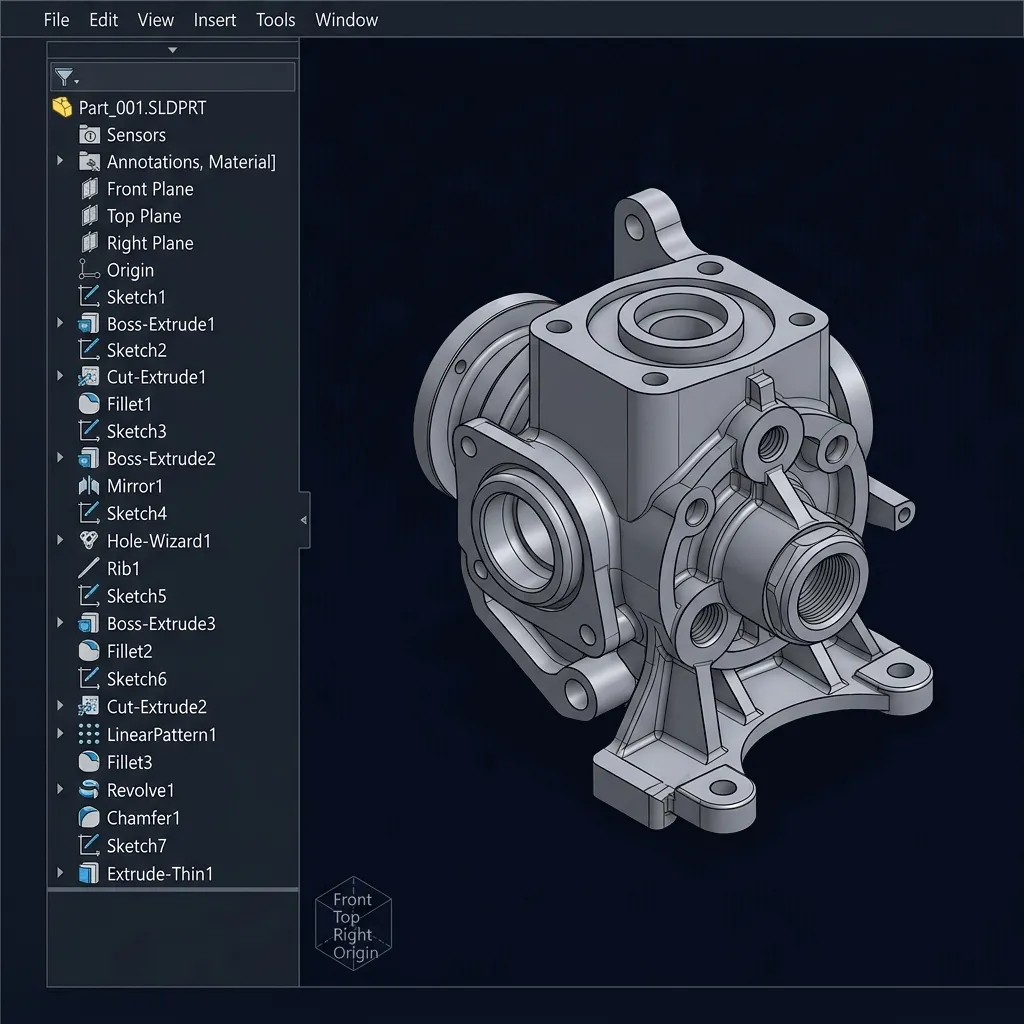
Native CAD Files

Native CAD Files

Fully parametric STEP/IGES models.
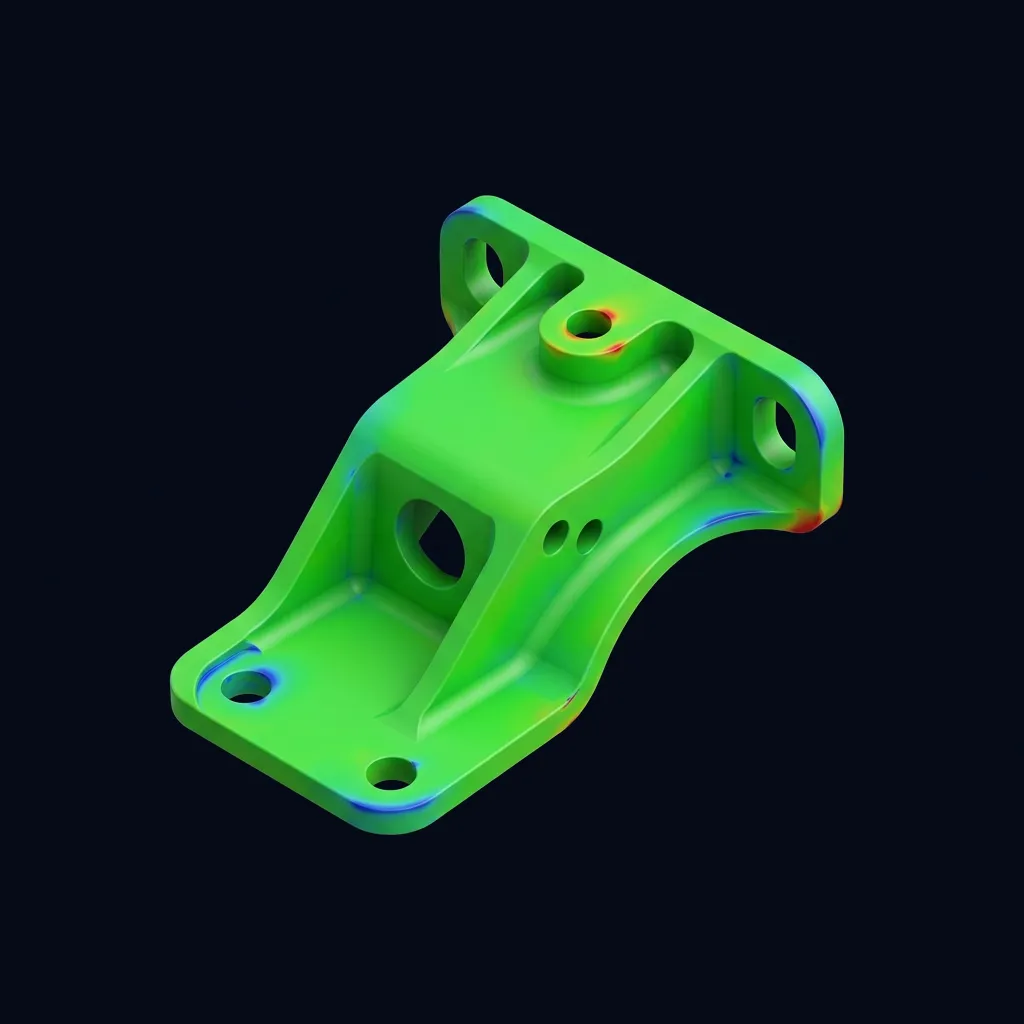
Inspection Reports

Inspection Reports

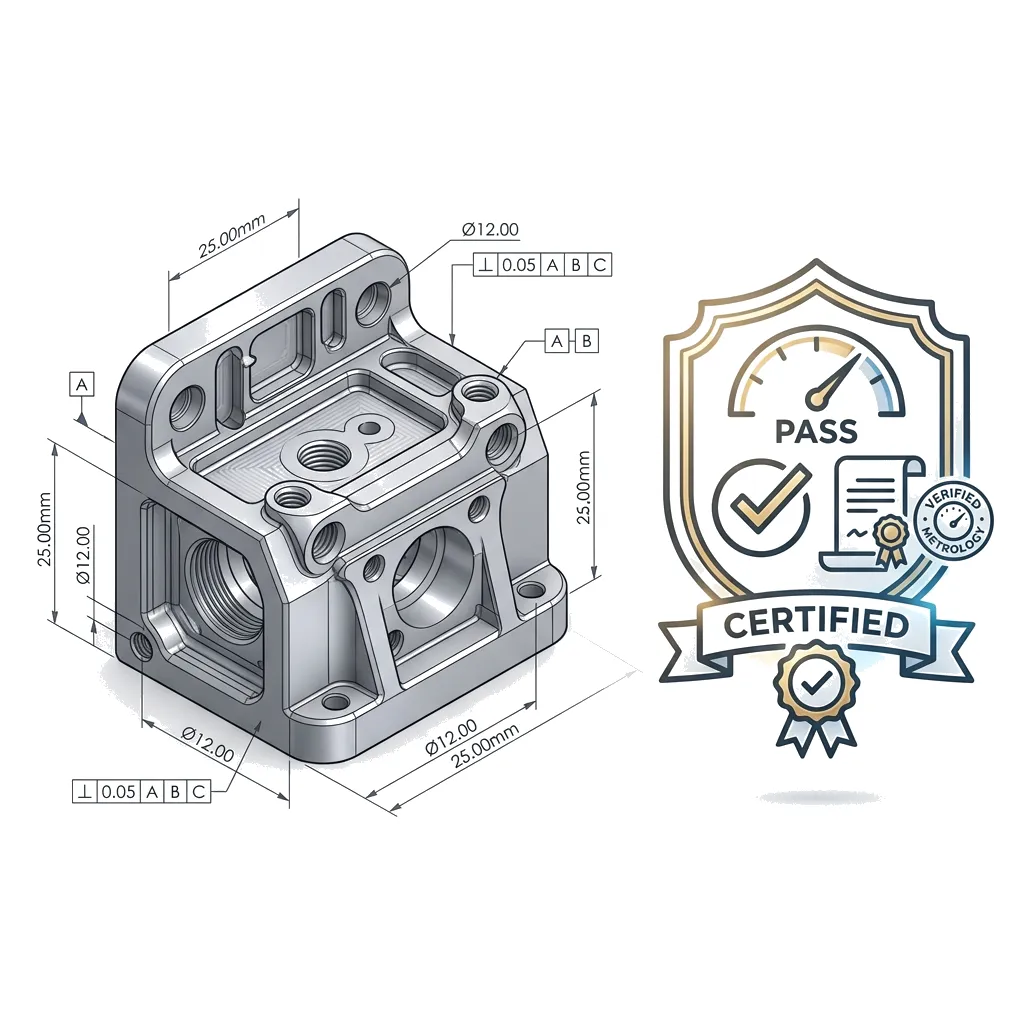
Validated deviation color maps.
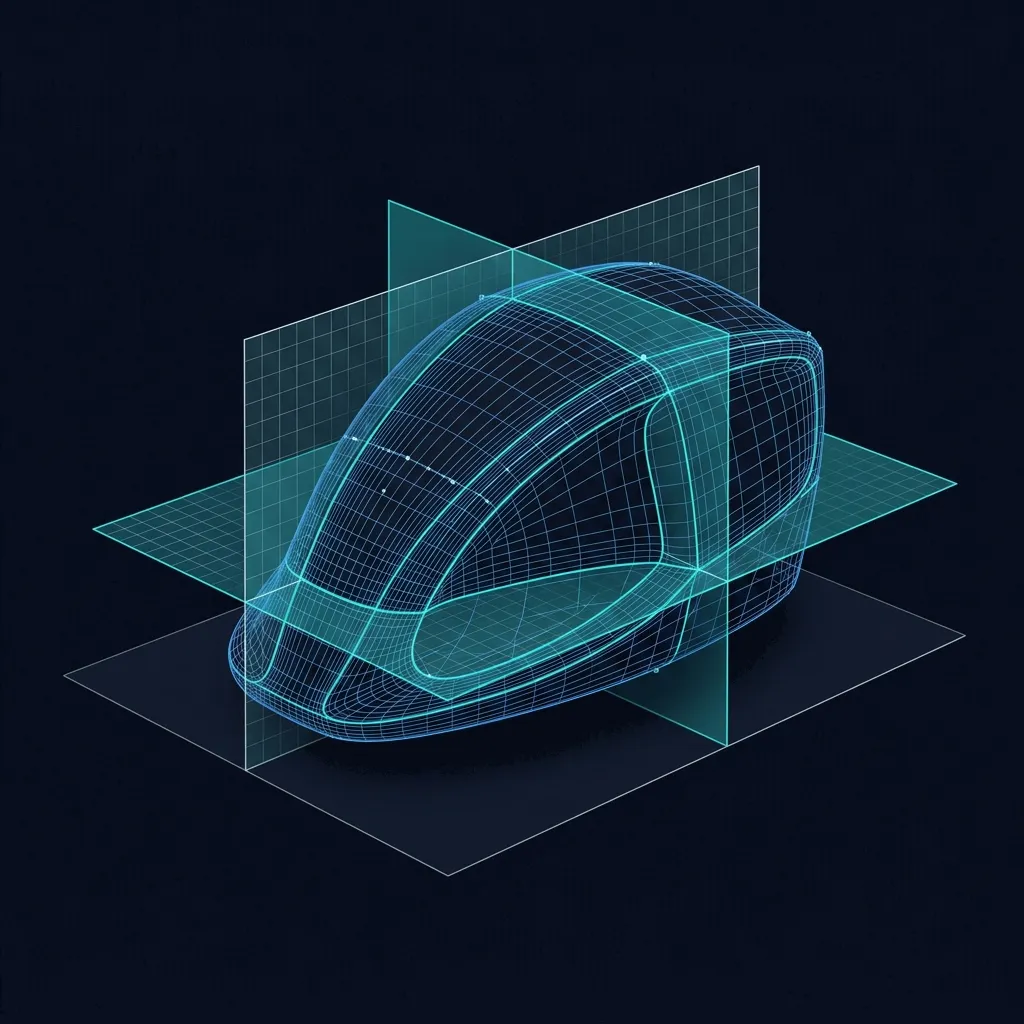
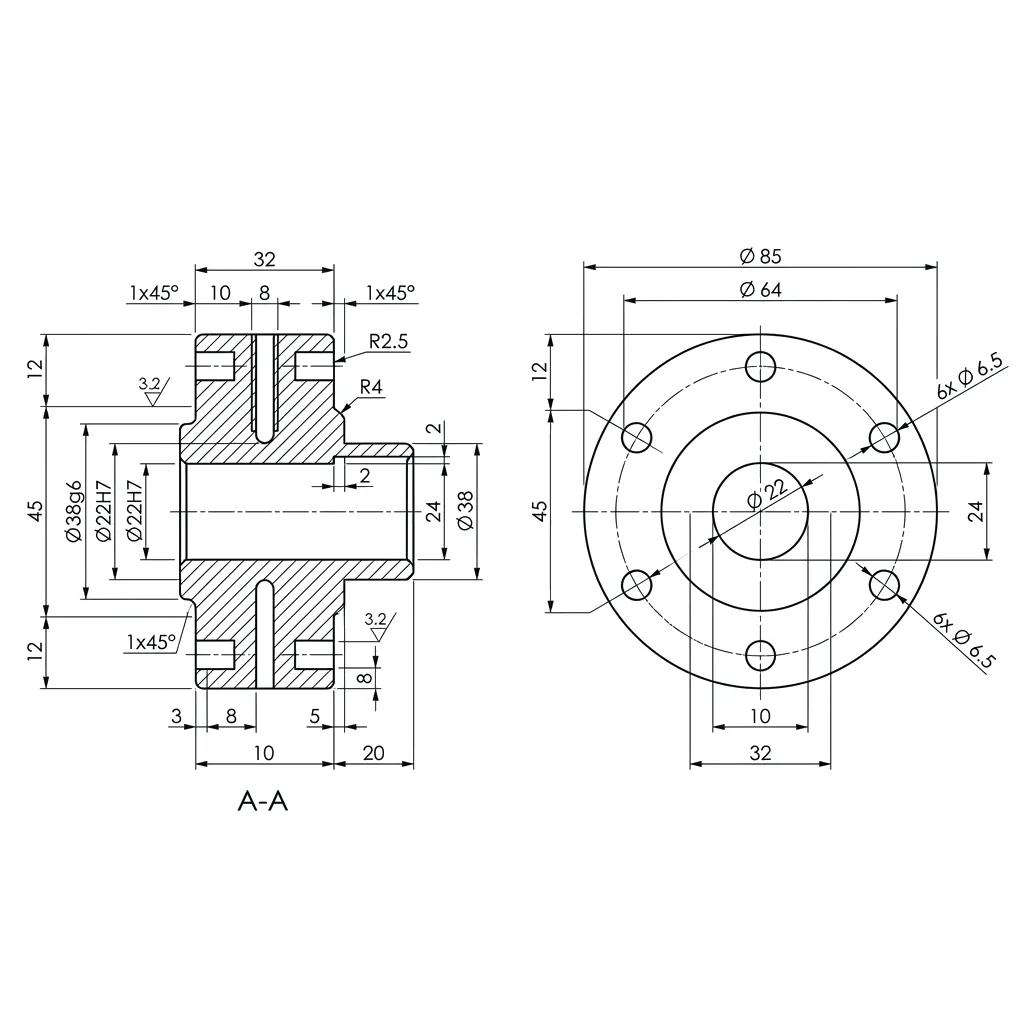
Technical Drawings

Technical Drawings

Production-ready 2D documentation.
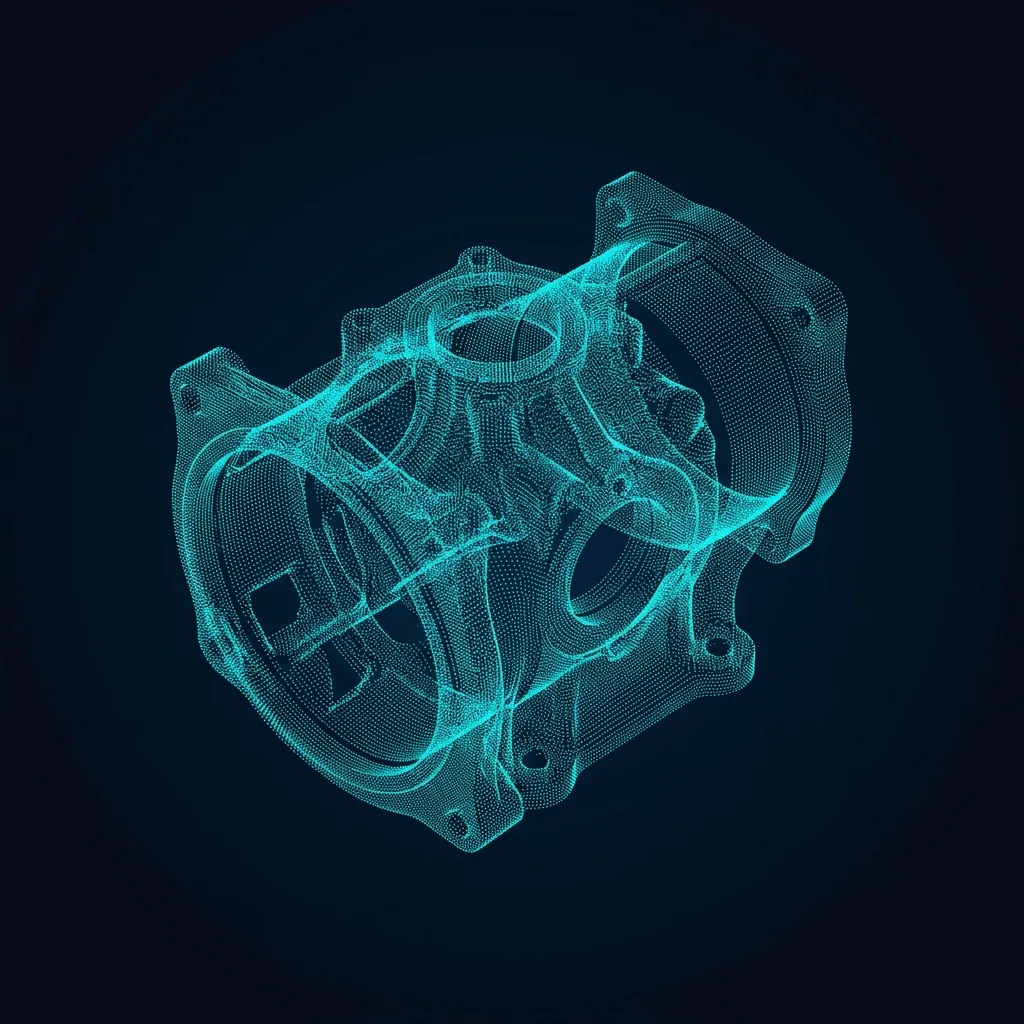
Raw Scan Data

Raw Scan Data

Archived point clouds (STL/OBJ).
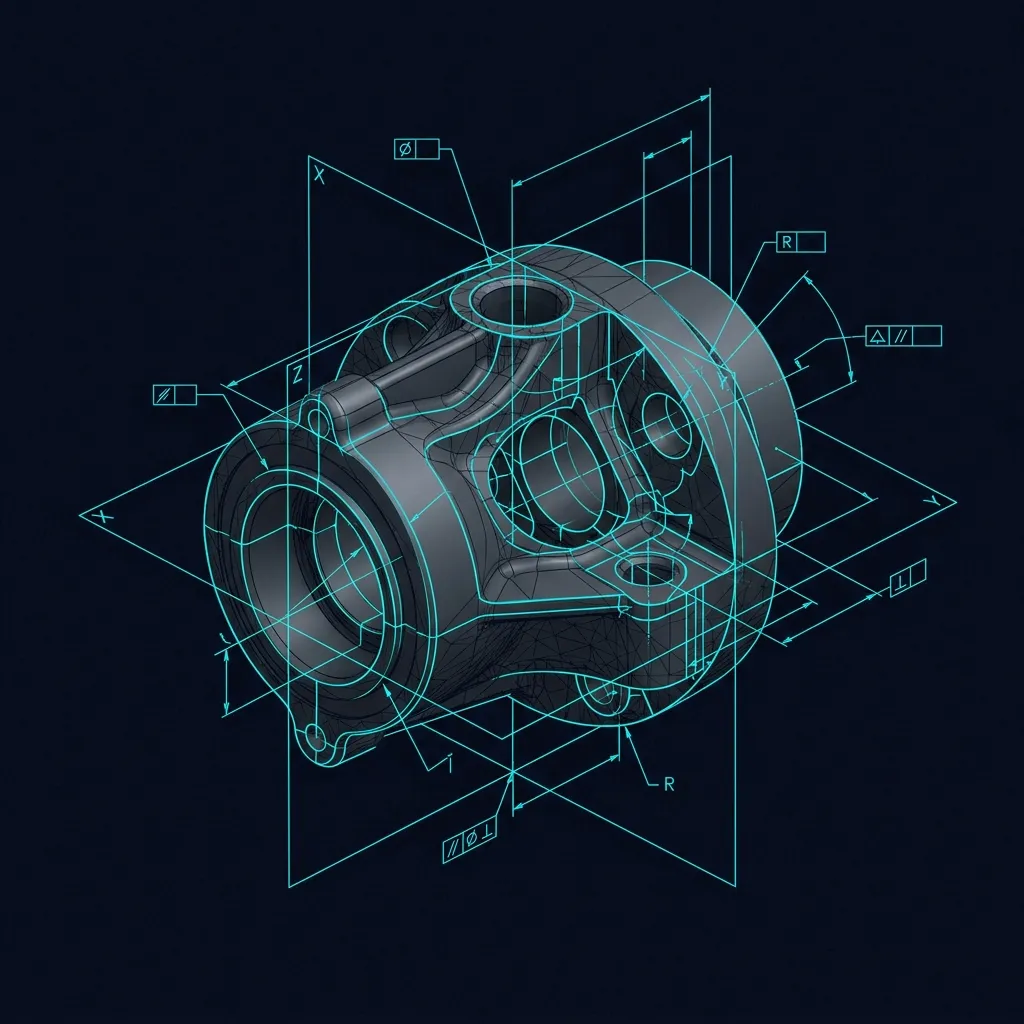
Revision History

Revision History

Traceable engineering modifications.

Transforming Physical Assets
into Engineering Intelligence

Every factory has parts sitting on shelves. Nobody knows where the drawings are. We change that.
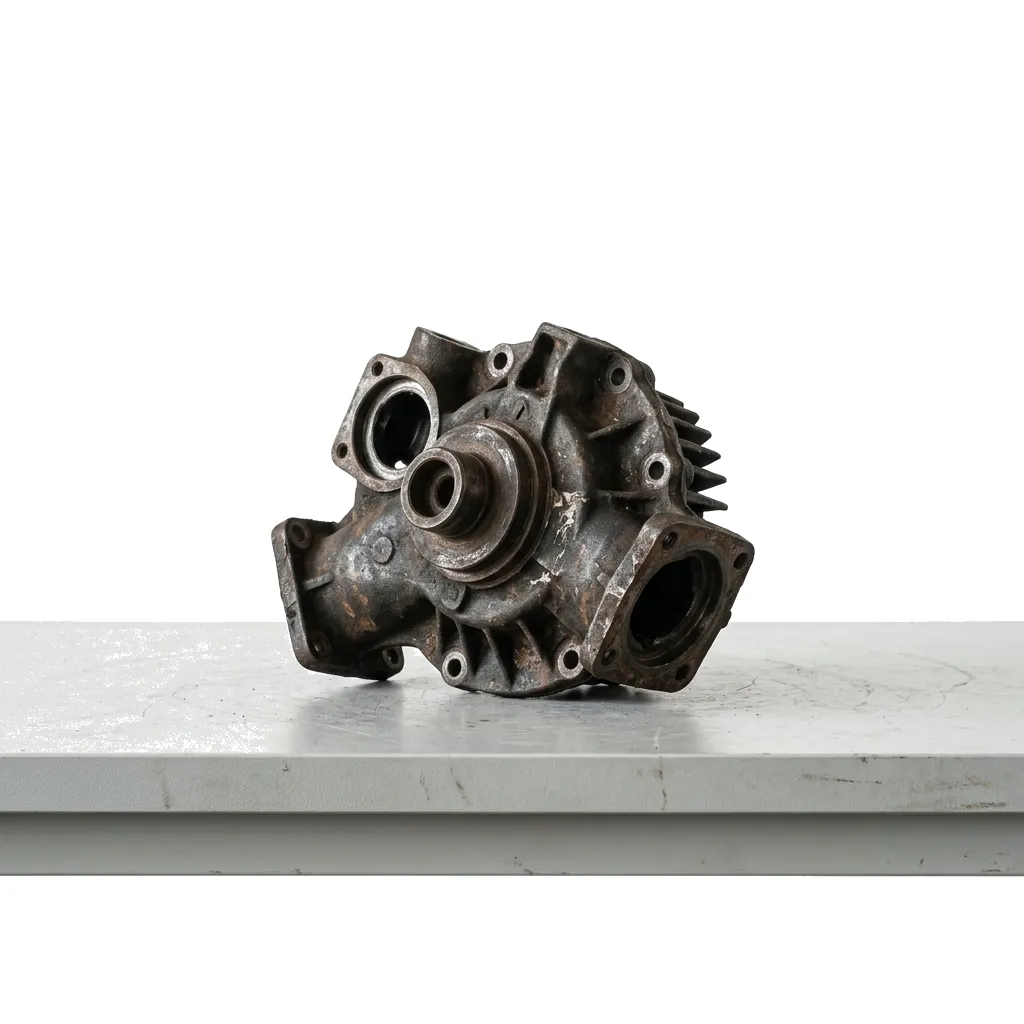
Physical Asset
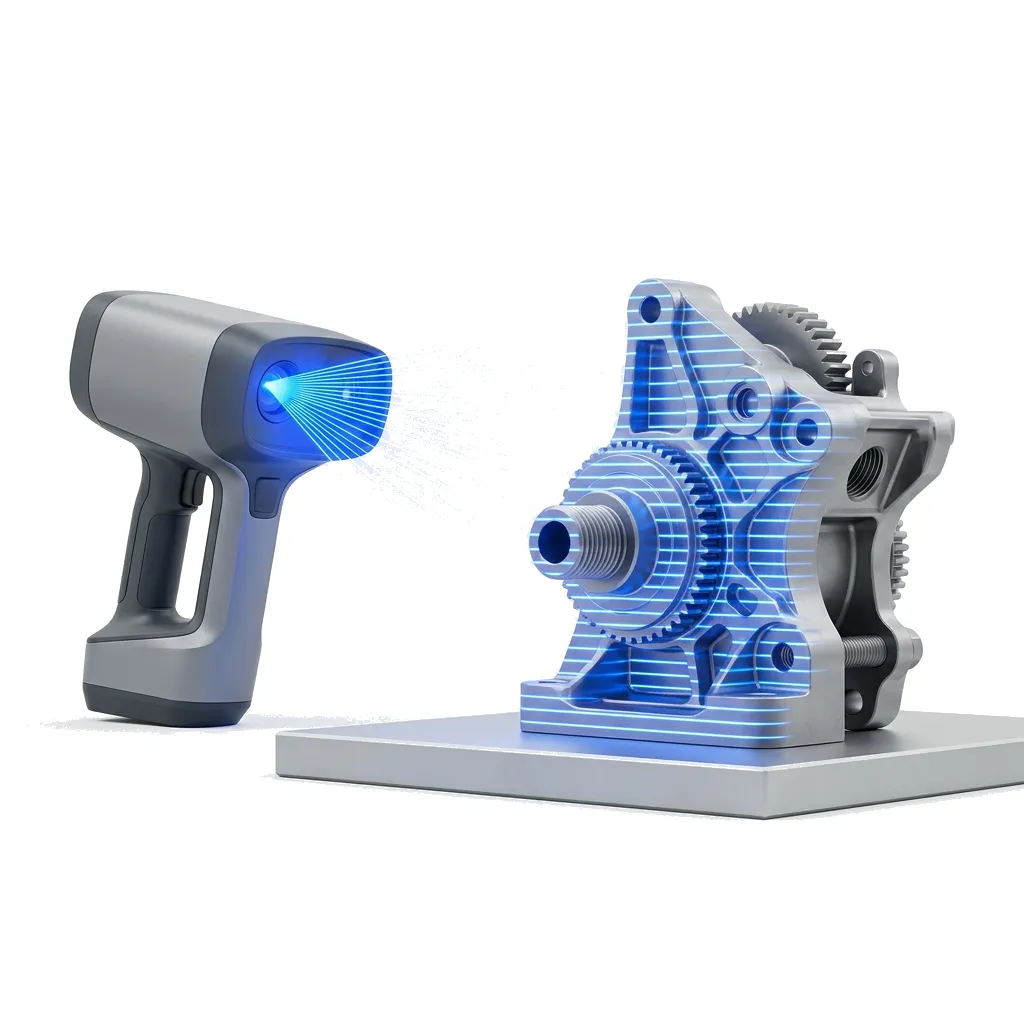
Physical Asset

High-Res Scan

High-Res Scan

CAD Reconstruction

CAD Reconstruction

Drawing Package

Drawing Package

Production-Ready

Production-Ready

Supporting Long-Term Operational Continuity

Documentation
Quality Control
Design Updates
Production
Continuity
Manufacturing
Procurement
Maintenance

Capture Critical Knowledge Before It Walks Out the Door

The Undocumented Expert

Senior employees carry critical know-how in memory — undocumented fixes, instincts, and workarounds invisible to the next generation.

The Digital Engineering Database

We convert that knowledge into formal 3D CAD models, deviation reports, and parametric histories — accessible to any engineer, anywhere.

Technical Service Overview Reviewed by APJ 3D Engineering Desk • Updated September 2026

What is Legacy Preservation?

Reverse Engineering is the structured extraction of design intent from 3D scan data (point clouds/meshes) to rebuild fully editable, parametric 3D CAD models and production drawings for legacy, obsolete, or undocumented parts.

When to Select This Service

Choose reverse engineering when replacing obsolete machinery components with no existing drawings, recreating worn tooling and stamping dies, benchmarking competitor hardware, or redesigning aftermarket automotive accessories.

Legacy Preservation Technical Specifications

Technical Capabilities & Verification Standards

Verified engineering parameters, hardware precision, and compliance benchmarks applied across all deliverables.

Engineering Parameter APJ 3D Capability & Precision Range Compliance Standard / Verification
Reconstruction Techniques Parametric Feature Modeling, Hybrid Surface-Solid Modeling, Class-A B-Rep Surfacing Design Intent Extraction
Scan-to-CAD Deviation Surface deviation within ±0.025 mm to ±0.050 mm of scan data (Geometry dependent) Geomagic Design X / Geomagic Control X
Supported Part Types Castings, forgings, stampings, injection molded plastics, turbine blades, automotive body panels, tooling dies Micron to Multi-Meter Scale
Output Formats Native SolidWorks (.sldprt), Siemens NX (.prt), CATIA (.CATPart), STEP (.stp), IGES (.igs), Parasolid (.x_t) Fully Editable Feature Trees
Manufacturing Detailing Draft angle optimization, wall thickness regularization, fillet reconstruction, GD&T 2D blueprints DFM / Tooling Ready
Quality Assurance 3D Color Map Scan-to-CAD overlay deviation report verifying geometric fidelity 100% Deviation Inspected
Turnaround Time 2 to 5 business days for standard complex mechanical components and assemblies Pan-India On-Site 3D Scanning Available
FAQ

Frequently Asked Questions

What is the difference between raw scan data (STL) and a reverse engineered CAD model?

An STL mesh is a dead surface composed of millions of triangles that cannot be easily edited, dimensioned, or machined. A reverse engineered CAD model is a parametric solid (STEP/SolidWorks) with editable sketches, holes, fillets, and planes ready for manufacturing.

How do you handle worn or damaged areas on physical parts?

Our engineers analyze design symmetry, geometric primitives, and nominal fit interfaces to reconstruct the part to its original as-designed condition, eliminating physical wear and damage.

Can you reverse engineer internal features that cannot be scanned optically?

Yes. For complex internal channels and hollow castings, we combine optical scanning with physical silicone casting sectioning or Industrial CT scanning to capture internal wall profiles.

Do the reverse engineered models come with native feature trees?

Yes. Upon request, we provide fully parametric native models in SolidWorks, Siemens NX, Creo, or CATIA with logical feature trees, planes, and editable sketches.

How is accuracy validated before delivery?

We run a 3D deviation inspection comparing the reconstructed CAD solid directly against the original 3D scan point cloud, providing a certified 3D deviation report with every delivery.

Ready to Secure Your Manufacturing Legacy?

Don't wait for an undocumented part to fail. Contact APJ 3D to build your digital preservation vault today.